

When patients ask how to prevent varicose veins, the conversation typically turns to compression stockings and daily walking, and those are genuinely important. But the full picture of varicose vein prevention goes beyond that. It includes what you eat every day, which supplements have meaningful clinical evidence, how your occupation and lifestyle quietly shape your venous health, and why early medical evaluation may be the single most underused prevention tool available.
Dr. Glenn Babus, DO, at Vascura Pain & Vein Clinic, serves patients throughout New Jersey with a whole-patient approach to vein health, one that addresses root causes rather than waiting for symptoms to become unavoidable. This guide reflects that approach.
What Actually Causes Varicose Veins And Why Prevention Starts There
Before discussing prevention, it is worth understanding the mechanism. Varicose veins develop when the one-way valves inside the leg veins weaken or fail, allowing blood to flow backward and pool under chronically elevated pressure. That pooling distends the vein wall, producing the twisted, bulging appearance associated with varicose veins.
The valve failure itself is influenced by a combination of genetic predisposition, hormonal factors, prolonged standing or sitting, excess body weight, pregnancy, and the cumulative effect of chronic inflammation on vascular tissue. Prevention strategies work by addressing as many of these contributors as possible, not by eliminating risk, but by meaningfully slowing disease onset and progression.
Eat to Strengthen Your Veins: A Vascular-Focused Diet
What you eat directly influences the health, elasticity, and integrity of your vascular system. A diet structured around reducing inflammation, supporting vein wall strength, and promoting healthy circulation creates the internal environment in which veins are better equipped to resist insufficiency.
High-Fibre Foods
Chronic constipation and straining during bowel movements elevate intra-abdominal pressure, a direct stressor on the venous return pathway from the legs. A diet rich in fiber from fruits, vegetables, legumes, and whole grains supports healthy bowel function and reduces this often-overlooked contributor to venous pressure.
Flavonoid-Rich Foods
Flavonoids are plant compounds with well-documented effects on vascular health. They strengthen vein walls, improve venous tone, and reduce capillary permeability, the mechanism by which fluid leaks into surrounding tissue and causes swelling. Foods with high flavonoid content include blueberries, cherries, dark grapes, citrus fruits, red onions, and dark chocolate. These are not superfoods in the marketing sense, but they are foods with specific, studied vascular benefits.
Omega-3 Fatty Acids
Chronic vascular inflammation accelerates damage to the vein walls and valve structures. Omega-3 fatty acids found in salmon, mackerel, sardines, walnuts, and flaxseed reduce systemic inflammatory markers and support healthy blood viscosity. Both effects are relevant to venous health.
Adequate Hydration
Dehydration thickens the blood, making circulation through smaller vessels less efficient and increasing the workload on venous return. Consistent daily hydration, typically 6 to 8 glasses of water, keeps blood viscosity in a healthy range. This is a simple, cost-free prevention measure that many patients consistently overlook.
Reduced Sodium Intake
Excess sodium promotes water retention, which worsens the ankle swelling that amplifies venous pressure in the lower legs. Reducing processed food consumption, the primary source of dietary sodium for most adults, is one of the most practical dietary adjustments for patients at risk of venous insufficiency.
Lifestyle Habits That Directly Affect Vein Health
Diet works in combination with consistent physical and behavioural habits. The following are the lifestyle factors Dr. Babus addresses in every prevention consultation:
- Regular walking and calf muscle activation: the calf muscle pump is the primary mechanism driving venous return from the lower leg. Walking, cycling, and swimming engage it effectively. Prolonged sitting or standing without movement bypasses it entirely.
- Graduated compression stockings: wearing 20–30 mmHg compression during high-risk periods (long flights, extended standing shifts, pregnancy) meaningfully reduces venous pooling and symptom development.
- Weight management: excess body weight increases intra-abdominal pressure and the load on leg veins. Even moderate weight reduction produces measurable improvement in venous symptoms for patients already showing early signs of insufficiency.
- Avoiding prolonged immobility: during long flights, car journeys, or desk-based work, regular movement breaks every 45–60 minutes activate the calf pump and prevent the blood stasis that drives clot risk and valve stress.
- Leg elevation: elevating the legs above heart level for 15–20 minutes daily reduces venous pressure and gives the vessel walls temporary relief from the chronic load of gravity.
Related reading: Understanding the full complication spectrum of untreated venous disease helps put prevention in context. See Are Varicose Veins Dangerous? What New Jersey Patients Need to Understand for a Complete Clinical Overview.
Supplements That May Support Vein Health
Several supplements have been studied specifically for their effects on venous tone, vein wall permeability, and leg symptoms in patients with early chronic venous insufficiency. These are not alternative medicine claims; they are compounds that have been evaluated in peer-reviewed clinical trials, primarily in European medical literature, where venous disease pharmacology is more extensively researched.
Diosmin and Hesperidin
This bioflavonoid combination, available in products such as Daflon, has the strongest evidence base among vascular supplements. Studies have demonstrated reductions in leg heaviness, swelling, and cramping in patients with early CVI. It is widely prescribed for chronic venous disease in France, Germany, and other European countries.
Horse Chestnut Seed Extract (Aescin)
Horse chestnut seed extract has been evaluated in multiple randomised controlled trials for its effects on venous insufficiency symptoms. Evidence supports modest reductions in leg swelling and discomfort compared to placebo. It is generally well tolerated in patients without kidney or liver conditions.
Rutin
A flavonoid found in buckwheat, citrus peel, and asparagus, rutin has demonstrated vein-protective properties in laboratory studies, including reduced capillary fragility and improved venous tone. Clinical evidence in humans is less robust than for diosmin, but it is commonly included in vein-support formulations.
The Role of Early Medical Evaluation in Varicose Vein Prevention
One of the most underused prevention strategies is also one of the most effective: getting evaluated before your veins become visibly problematic.
Many New Jersey patients wait until varicose veins are large, painful, or complicated before seeking specialist input. By that point, significant valve damage has already occurred, and treatment, while still highly effective, is addressing established disease rather than preventing its progression.
Take Control of Your Vein Health Today
Concerned about varicose veins or early signs of venous insufficiency? Dr. Glenn Babus and the team at Vascura Pain & Vein Clinic provide personalized vein evaluations and advanced treatment options to help protect your long-term circulation and comfort.
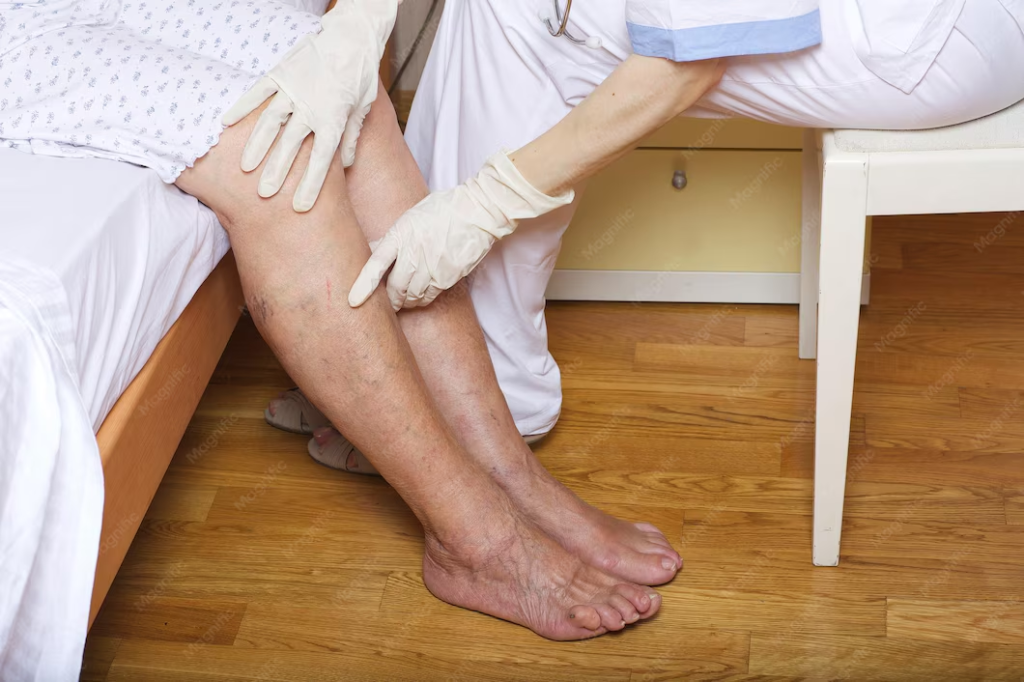
Book your ConsultationA duplex ultrasound evaluation with Dr. Babus can identify venous insufficiency at its earliest stages before visible varicose veins have fully formed and allow for targeted recommendations that slow or stop disease progression. This may include compression therapy, specific lifestyle adjustments, or, in some cases, early minimally invasive intervention.
Early Evaluation Is Especially Important If You:
- Have a first-degree family member with varicose veins or chronic venous insufficiency
- Work in a standing occupation, such as nursing, teaching, retail, construction, or food service
- Have been pregnant or are planning a pregnancy
- Have a personal history of leg injury, Deep vein thrombosis (DVT), or superficial thrombophlebitis
- Have noticed early signs such as leg heaviness after standing, mild ankle swelling by evening, or the appearance of spider veins
None of these factors makes varicose veins inevitable, but each one raises your baseline risk enough to make proactive evaluation a sound clinical decision.
Prevention Is an Ongoing Partnership, Not a One-Time Action
Preventing varicose veins is not a checklist you complete once. It is a set of consistent daily habits, dietary, physical, and behavioural, supported by periodic medical oversight that catches changes before they become complications.
At Vascura Pain & Vein Clinic in New Jersey, Dr. Glenn Babus works with patients to build individualised prevention plans that reflect their health history, occupational demands, and lifestyle. Whether you are proactively protecting vein health with no current symptoms, or managing the earliest signs of venous insufficiency before they progress, the approach is the same: personalised, physician-led, and focused on long-term outcomes.
Schedule your vein health evaluation with Dr. Babus today before symptoms decide for you.
Frequently Asked Questions: Preventing Varicose Veins
Can varicose veins be prevented entirely?
Not entirely, as genetic predisposition plays a significant role. However, consistent dietary habits, regular movement, weight management, and early medical evaluation substantially reduce the risk of progression and complication development.
Does diet alone prevent varicose veins?
Diet is one important component of a multi-factor prevention approach. It reduces vascular inflammation and supports vein wall integrity, but it works best in combination with regular physical activity, compression use during high-risk periods, and periodic medical evaluation.
At what age should I start thinking about vein health prevention?
Risk factors can begin accumulating in your twenties and thirties, especially with sedentary work, pregnancy, or a family history. There is no minimum age for a vein health evaluation. Earlier awareness leads to better long-term outcomes.
Are compression stockings necessary if I have no symptoms yet?
For patients with known risk factors, such as standing occupations, family history, or prior pregnancy, graduated compression stockings during high-risk periods are a low-cost, evidence-supported preventive measure. Dr. Babus can advise on the appropriate compression level for your specific situation.
How often should I have my veins checked?
For low-risk patients with no symptoms, a baseline duplex ultrasound evaluation followed by periodic check-ins every one to two years is a reasonable approach. Patients with known risk factors or early symptoms benefit from more frequent monitoring.


