Home > Vein > Conditions > Deep Vein Thrombosis (DVT)

Deep Vein Thrombosis (DVT) in New Jersey

At Vascura Pain and Vein Clinic, our experienced vein specialists provide prompt, evidence-based care for patients with Deep Vein Thrombosis (DVT). If you’re looking for a DVT doctor near me, blood clot treatment in the leg, or a vein clinic in New Jersey, our specialists create tailored treatment plans to preserve blood flow and prevent complications. Deep vein thrombosis (DVT) occurs when a blood clot forms in a deep leg vein. It can lead to vein damage or a fatal blood clot in the lung (called a pulmonary embolism) without treatment, so it’s important to get it diagnosed early and treated with minimally invasive DVT treatment.

varicose-veins

Effective, Advanced Care for Deep Vein Thrombosis

At Vascura Pain and Vein Clinic  with convenient locations in Lodi, Clifton, and Kearny, NJ  we provide prompt, evidence-based care designed to help patients diagnosed with Deep Vein Thrombosis (DVT) receive safe and effective treatment. Our experienced vein specialists focus on identifying and treating the underlying clotting issue, not just relieving symptoms, so you can protect your circulation and reduce the risk of serious complications.

Deep vein thrombosis occurs when a blood clot forms in a deep vein, most commonly in the legs. This clot can partially or completely block blood flow, leading to a range of uncomfortable and potentially dangerous symptoms, including:

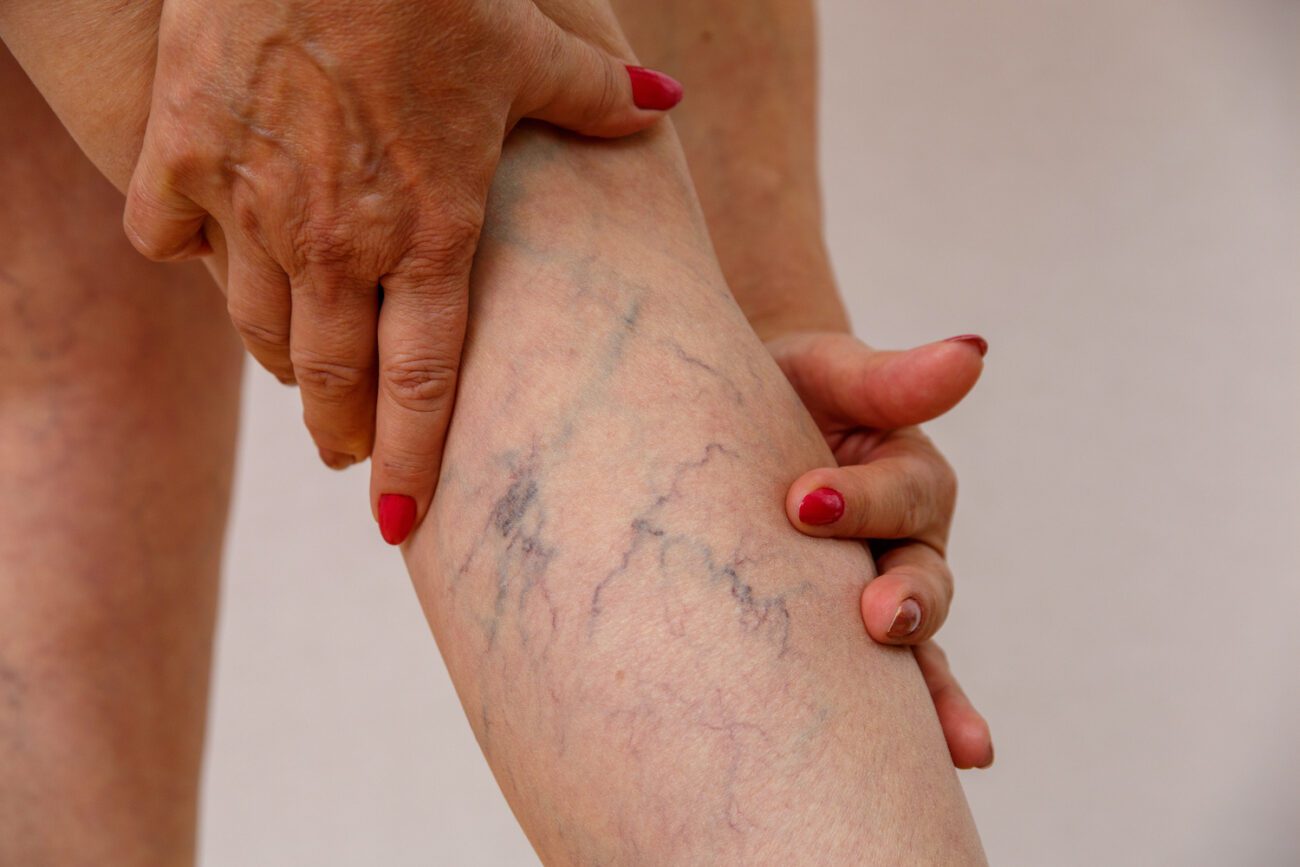
  • Swelling and heaviness in one or both legs that worsens throughout the day
  • Leg pain or tenderness that may feel like cramping or a deep aching sensation
  • Warmth and redness over the affected area, often a sign of active clot-related inflammation
  • Skin discoloration ranging from light redness to a bluish or purplish tone in severe cases

Understanding Deep Vein Thrombosis

Deep Vein Thrombosis (DVT) is a serious blood vessel disorder that occurs when a blood clot (thrombus) forms within a deep vein, typically in the lower calf, thigh or pelvis. DVT is different from a condition affecting a surface vein: it occurs in deep veins that are critical for blood flow back to the heart. A blood clot can block blood flow and lead to swelling, pain, and warmth in a leg.

Occasionally, a portion of the clot can dislodge and migrate to the lungs, causing a pulmonary embolism – a life-threatening condition. Our vein specialists at Vascura Pain and Vein Clinic educate patients on the cause of DVT and the need for early detection and treatment.

Patients often come to our Lodi, Clifton or Kearny NJ offices with sudden swelling or pain in their leg, but diagnosis can also occur when evaluating for other risk factors, such as recent surgery or bed rest. Early diagnosis and appropriate DVT treatment near me can ensure most patients are managed safely and closely monitored to avoid complications and recurrence.

Common Causes of Deep Vein Thrombosis

Deep vein thrombosis develops when blood flow slows down or clotting factors increase. Our specialists carefully evaluate the underlying cause to reduce future risk.

Prolonged Immobility

Long flights, extended bed rest, hospitalization, or a sedentary lifestyle can slow circulation in the legs. When blood does not move regularly, it is more likely to clot, increasing the risk of deep vein thrombosis.

Minimal-Invasive-Spine-Surgery

Recent Surgery or Injury

Major surgery, especially orthopedic or abdominal procedures, can temporarily increase clotting activity. Injuries or trauma to the legs may also damage blood vessels and contribute to clot formation.

Pregnancy

Pregnancy and Hormonal Changes

Pregnancy increases blood volume and pressure in the pelvic and leg veins. Hormonal changes including birth control pills or hormone replacement therapy.

Smoking and Obesity​

Smoking and Obesity

Smoking damages blood vessel walls and affects circulation, while excess weight increases pressure in leg veins. Both factors significantly raise the likelihood of developing DVT.

Common Symptoms of Deep Vein Thrombosis

DVT symptoms can appear suddenly and usually affect only one leg. Some people may have mild signs, while others notice more obvious discomfort. At Vascura Pain and Vein Clinic, early evaluation and diagnosis are essential to prevent serious complications such as clot migration or long-term vein damage.

If you experience chest pain, sudden shortness of breath, coughing blood, rapid heartbeat, or dizziness, seek emergency medical care immediately. These symptoms may indicate a pulmonary embolism, a serious complication that requires urgent treatment.
Types of Deep Vein Thrombosis

Not all DVT cases are the same. Specialists assess the clot’s location, size, and risk factors to choose the safest and most effective treatment plan.

Distal DVT

Distal DVT forms in deep veins below the knee, usually in the calf. Symptoms may be mild, such as calf pain or slight swelling, but the clot can extend into larger veins if not monitored. Early diagnosis helps prevent progression and complications.

Proximal DVT

Proximal DVT occurs in the thigh or pelvic veins and carries a higher risk of pulmonary embolism. It often causes significant leg swelling, pain, warmth, and heaviness. Prompt treatment is essential to prevent the clot from traveling to the lungs.

Upper Extremity DVT

This type develops in the deep veins of the arm or shoulder, sometimes linked to catheters, repetitive motion, or injury. Symptoms may include arm swelling, tightness, or discoloration. Early care reduces the risk of long-term vein damage.

Recurrent DVT

Recurrent DVT happens when a person develops another clot after a previous episode. Ongoing risk factors such as clotting disorders, immobility, or chronic illness may contribute. Long-term prevention and follow-up care are important.

Post-Thrombotic Syndrome

A possible long-term complication after DVT, this condition causes chronic swelling, skin changes, heaviness, and discomfort in the affected leg. Proper early treatment of DVT lowers the risk of developing lasting vein problems.

Travel-Related DVT

This type of DVT can occur after long trips where sitting for many hours slows blood flow in the legs, such as flights or long car rides. It may cause leg pain, swelling, or stiffness after travel. Walking breaks, hydration, and early checkups help lower risk.

How Varicose Veins Are Diagnosed

Accurate diagnosis is essential to ensure safe and effective treatment, prevent serious complications, and protect long-term vein and overall vascular health. Early identification of deep vein thrombosis allows our specialists to act quickly, reducing risks and improving outcomes.

Comprehensive Evaluation

Our team reviews your symptoms, medical history, and risk factors, including recent surgery, immobility, or family history of clotting disorders. This helps tailor a personalized care plan.

Physical Examination

The specialist carefully examines the affected leg for swelling, tenderness, warmth, and skin discoloration, which can indicate the presence of a clot.

Duplex Ultrasound Imaging

A painless, non-invasive ultrasound is used to visualize blood flow in the veins, confirm the presence of a clot, and determine its size and location.

Risk Assessment

We evaluate your overall risk for DVT recurrence or complications, such as pulmonary embolism, to recommend long-term prevention strategies, including medication, lifestyle changes, or compression therapy.

Deep Vein Thrombosis Treatment Options

" Advanced, Minimally Invasive Solutions for Long-Term Relief"

At Vascura Pain and Vein Clinic, serving patients across New Jersey from our Lodi, Clifton, and Kearny offices, we provide advanced, evidence-based care for patients seeking relief from deep vein thrombosis. Our experienced DVT specialists focus on safely treating blood clots, protecting circulation, and preventing complications such as pulmonary embolism. Every treatment plan is personalized based on the severity, location, and patient risk factors to provide effective, long-term results.

Anticoagulation Therapy

Medications such as blood thinners are typically the first line of treatment for DVT. These medications help prevent the clot from growing larger and reduce the risk of new clots forming elsewhere in the body. Our specialists carefully monitor your therapy to adjust dosages, track clot resolution, and ensure safety, making this a highly effective approach for both immediate and long-term clot management.

Catheter-Directed Thrombolysis

For larger or more severe clots, our team may use a minimally invasive catheter-directed procedure to dissolve the clot directly within the vein. This technique delivers clot-dissolving medication precisely to the affected area, helping restore normal blood flow, relieve symptoms such as swelling and pain, and prevent long-term complications like post-thrombotic syndrome.

Inferior Vena Cava (IVC) Filters

In patients at high risk of pulmonary embolism, an IVC filter may be placed in the main vein returning blood to the heart. The filter catches clots before they can travel to the lungs, offering an added layer of protection. This temporary or permanent solution is carefully evaluated and monitored by our DVT specialists to match each patient’s specific needs.

Compression Therapy

Medical-grade compression stockings are recommended after DVT treatment to support healthy blood flow, reduce swelling, and minimize discomfort. Compression therapy also helps prevent clot recurrence and promotes overall vein health, especially when combined with lifestyle modifications and exercise.

Lifestyle & Exercise Guidance

Regular movement, leg elevation, hydration, and guided exercises play a crucial role in preventing clot formation and supporting circulation. Our team provides personalized lifestyle recommendations based on your condition, daily routine, and risk factors, empowering you to manage your vascular health effectively and reduce future DVT risk.

Personalized DVT Care Plans

Every patient receives an individualized treatment plan tailored to their clot location, severity, and personal health factors. Our specialists integrate medication management, minimally invasive procedures, lifestyle guidance, and long-term preventive strategies to ensure safe, effective, and comprehensive care. This personalized approach maximizes recovery, reduces complications, and promotes lasting vein health.

Why Choose Vascura for Deep Vein Thrombosis Treatment

Choosing the right provider is crucial when managing DVT. At Vascura Pain and Vein Clinic, our experienced specialists combine advanced technology with personalized care to deliver safe, effective, and minimally invasive solutions for both acute DVT treatment and long-term vein health.

Experienced DVT Specialists

Our team includes highly trained DVT and vascular specialists who focus on diagnosing and treating deep vein thrombosis using evidence-based, modern techniques. They ensure that every patient receives care tailored to their specific clot location, risk factors, and overall vascular health.

Advanced Minimally Invasive Treatments

We offer state-of-the-art therapies for DVT, including catheter-directed thrombolysis, anticoagulation management, and IVC filter placement, designed to restore circulation, reduce symptoms, and prevent complications without prolonged hospital stays.

Personalized Treatment Plans

Every patient receives an individualized plan based on clot severity, medical history, lifestyle, and long-term prevention goals. This approach ensures targeted, effective treatment and reduces the risk of recurrent clots.

Comprehensive Care Under One Roof

From diagnosis and imaging to treatment and follow-up, our clinic provides complete DVT care. Patients searching for a trusted DVT doctor near me can receive all necessary services in one convenient location.

Focus on Safety and Long-Term Results

Our goal is not only to treat the immediate clot but also to prevent future DVT episodes, improve circulation, and support overall vascular health. We prioritize patient safety and comfort throughout every stage of treatment.

Trusted Vascular Care in New Jersey

Patients across New Jersey choose Vascura when looking for experienced DVT specialists, reliable vein doctors, or comprehensive vascular care. Our team is committed to delivering high-quality care with lasting outcomes.

Your Treatment Journey: Deep Vein Thrombosis

At Vascura Pain and Vein Clinic, we make the DVT treatment process clear, comfortable, and personalized from your first visit through recovery. Understanding each step helps patients feel confident and informed while receiving expert care.

Initial Consultation & Risk Assessment

Your journey begins with a detailed consultation with an experienced DVT specialist near me. We review your symptoms, medical history, and lifestyle factors to assess risk and understand the severity of your condition.

Ultrasound Imaging & Diagnosis

A painless duplex ultrasound evaluates blood flow and identifies the exact location and size of the clot. This precise imaging allows our DVT specialists to develop an accurate, personalized treatment plan.

Personalized Treatment Planning

Based on your diagnosis, we discuss the best options for DVT treatment near me, including anticoagulation therapy, catheter-directed thrombolysis, or supportive therapies like compression stockings and lifestyle adjustments.

Minimally Invasive or Outpatient Procedures

When appropriate, treatments such as catheter-directed thrombolysis or IVC filter placement are performed in-office or in a minimally invasive outpatient setting. These procedures are designed to restore circulation safely & more.

Frequently Asked Questions About Deep Vein Thrombosis (DVT)

What is deep vein thrombosis?

Deep vein thrombosis (DVT) is a blood clot that forms in one of the deep veins of the body most commonly in the lower leg or thigh. DVT is a serious condition because the clot can break off and travel to the lungs, causing a potentially life-threatening pulmonary embolism. Prompt medical evaluation is essential when DVT is suspected.

DVT symptoms include sudden swelling, pain, warmth and redness in one leg particularly in the calf or thigh. Some DVTs are asymptomatic and discovered incidentally. If you experience sudden calf or leg swelling, difficulty breathing or chest pain, seek immediate medical attention as these may indicate a pulmonary embolism.

 Varicose veins can lead to superficial thrombophlebitis — a clot forming in a surface vein — which is painful but generally not dangerous. True deep vein thrombosis (DVT) is a more serious condition that can occur in patients with severe chronic venous insufficiency. Patients with a history of blood clots or significant venous disease should be evaluated regularly by a vein specialist.

DVT is diagnosed primarily through duplex ultrasound, which can visualize the clot and assess its location and extent. Treatment typically involves anticoagulation therapy to prevent the clot from growing and reduce the risk of pulmonary embolism. Vascura Pain & Vein Clinic can evaluate suspected DVT and coordinate with your primary care physician or specialist for appropriate management.

DVT is a clot in a deep vein and carries a risk of pulmonary embolism, requiring urgent anticoagulation treatment. Superficial thrombophlebitis is a clot in a vein near the skin surface — typically in a varicose vein — which causes local pain and redness but is generally less dangerous. Both conditions require medical evaluation to confirm the diagnosis and determine appropriate care.

Get Expert Deep Vein Thrombosis Treatment in New Jersey

If you are experiencing leg swelling, pain, redness, or tenderness, now is the time to consult experienced DVT specialists who can provide timely, effective care. At Vascura Pain and Vein Clinic, our skilled vein doctors offer advanced, minimally invasive treatments and personalized anticoagulation plans designed to prevent complications, improve circulation, and protect long-term vascular health. Whether you are searching for a trusted DVT doctor near me, a leading vein clinic near me, or safe blood clot treatment in the leg, our team is here to guide you every step of the way with expert, patient-focused care.