
Effective, Minimally Invasive Relief for Spider Veins
At Vascura Pain and Vein Clinic, we have a professional team of spider vein specialists who aim not at correcting the superficial appearance of the veins but at eliminating the root cause of the disease. Since the spider veins are at times associated with underlying venous inadequacy, proper diagnosis is as vital as the appropriate treatment.
Spider veins form when little blood vessels close to the skin are weakened, causing blood to accumulate and the vessels to widen and become visible. They are most prevalent on the legs but may occur on the face. Although the majority of the patients consult a specialist with cosmetic motives, spider vein leg treatment and spider vein face treatment may also help alleviate the burning, aching, and itching that are associated with visible vessels.
When you need a physician that you can trust to treat spider veins and want to know where to find a spider vein doctor near you or the most effective treatment of spider veins in New Jersey, Vascura will provide a personalized approach in three offices, supported by proper diagnosis, minimally invasive procedures, and one skilled physician who personally attends to each aspect of your treatment.
Understanding Spider Veins
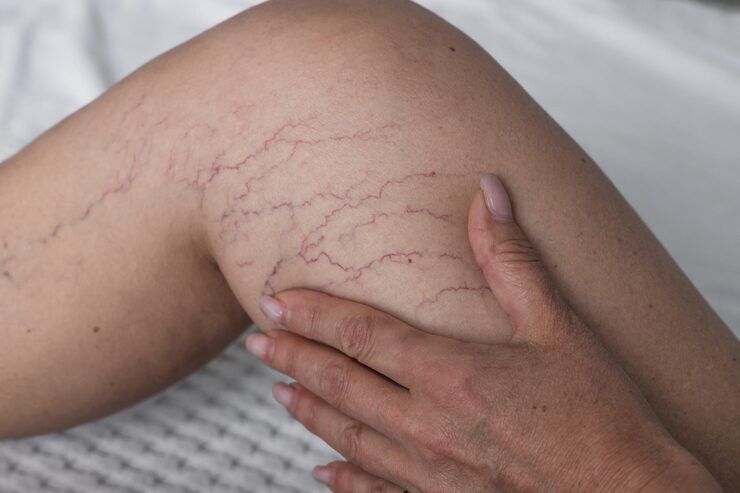
Spider veins are small, distended blood vessels that are as close to the skin surface as possible. They usually come in the form of red, blue, or purple web-like patterns and most often are found on the legs, thighs, ankles, and face. Spider veins are flat and, most of the time, smaller compared to varicose veins, which are larger and protrude above the skin surface. Nevertheless, they are not necessarily mere cosmetic, as spider veins may lead to actual discomfort such as burning, pain, and itchiness, especially after a long time standing or sitting.
In other instances, the presence of spider veins indicates a problem with venous insufficiency, i.e., the deeper vein valves are not working as they should. That is why it is necessary to have a careful assessment done by a skilled spider vein specialist before starting any kind of treatment. Each patient at Vascura is given a complete examination of the veins, with duplex ultrasound when necessary, to identify spider veins or a more complex venous problem.
Patients seeking spider vein treatment in my area in Bergen County, Passaic County, and Hudson County will always prefer Vascura due to this diagnostic-first, patient-centered model and the fact that all three locations in New Jersey are personally attended by Dr. Glenn Babus, who conducts all the evaluations and procedures.
Common Causes of Spider Viens
Understanding what’s causing your spider veins helps our team design the most targeted, effective spider vein therapy near me for your specific situation.

Genetics and Family History
If your parents or close relatives had spider veins, your risk is significantly higher. Many patients searching for a spider vein specialist near me discover that heredity plays an important role in vein health.

Prolonged Standing or Sitting
Jobs that require long hours on your feet or sitting for extended periods can reduce circulation and increase pressure in leg veins, leading to visible spider veins over time.

Pregnancy & Hormones:
Hormonal shifts and increased blood volume during pregnancy place added pressure on leg veins.

Obesity:
Excess body weight adds pressure on lower extremity veins, making valve damage more likely over time.
Common Symptoms of Spider Veins
Spider veins are often visible before they become physically uncomfortable. While many people seek treatment for cosmetic reasons, symptoms can gradually worsen if underlying vein issues are not addressed.
- Red, blue, or purple web-like veins on the legs
- Aching or throbbing discomfort
- Burning or tingling sensations
- Leg heaviness or fatigue
- Mild swelling around the ankles
If you are experiencing discomfort along with visible veins, evaluation by an experienced varicose vein treatment doctor in New Jersey or Manhattan can help determine whether spider veins are cosmetic or linked to deeper varicose vein disease.