
Effective, Minimally Invasive Relief for Leg Cramps
At Vascura Pain and Vein Clinic, we provide advanced, minimally invasive leg cramps treatment in New Jersey designed to target the underlying vein problem not just manage the muscle pain. Our experienced vascular specialists identify the circulatory cause of your cramping so you can experience lasting relief, better sleep, and improved daily comfort.
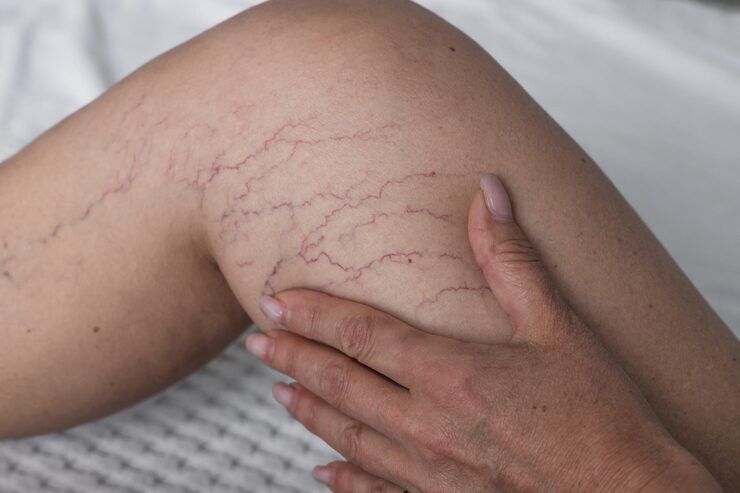
Vein-related leg cramps develop when weakened or damaged vein valves allow blood to pool and pressure to build around the muscle fibers triggering painful, involuntary contractions. Many patients who search for a leg cramps specialist near them are surprised to learn their recurring cramps are a symptom of venous insufficiency rather than a standalone muscle problem.
Treatment options at Vascura may include:
- Minimally invasive vein closure procedures — endovenous ablation using laser or radiofrequency energy to treat the refluxing vein at its source
- Image-guided sclerotherapy — injections that close smaller problematic veins contributing to cramping and pressure
- Compression therapy — medical-grade compression socks for leg cramps to improve circulation and reduce nighttime symptoms
- Lifestyle and movement guidance — personalized exercise and circulation support to complement in-office treatment
Every leg cramps treatment plan at Vascura is customized by Dr. Glenn Babus, DO a board-certified pain management and vein specialist based on your symptoms, vein health, and long-term goals.
Understanding Leg Cramps
Leg cramps are sudden and uncontrollable contractions of the muscle that most often occur in the calf muscles, sometimes enough to wake people up from sleep. Many people think they are caused by dehydration or overuse when it comes to leg cramps, but if they occur regularly or persistently, chances are they may be a symptom of more serious vein disease and need proper specialist evaluation.
Vein valves are responsible for preventing blood from flowing backwards and pooling in the leg’s veins when they are not working properly. Such a continuous rise in venous pressure presses on the nearby muscle and nerves and causes a painful tightening or cramping that is usually referred to as charley horses. If left untreated, vein disease will worsen over time, impacting sleep, mobility, and quality of life.
Common Causes of Leg Cramps
Vein-related leg cramps develop when circulation in the lower legs is compromised, causing blood to pool and pressure to build up around muscle fibres. At Vascura, our vascular specialists evaluate every underlying cause to provide targeted, long-lasting leg cramps treatment in New Jersey.

If your vein valves are failing, the resulting backup of blood causes inflammation and pressure that leads to frequent and painful leg cramping.
Prolonged Standing or Sitting
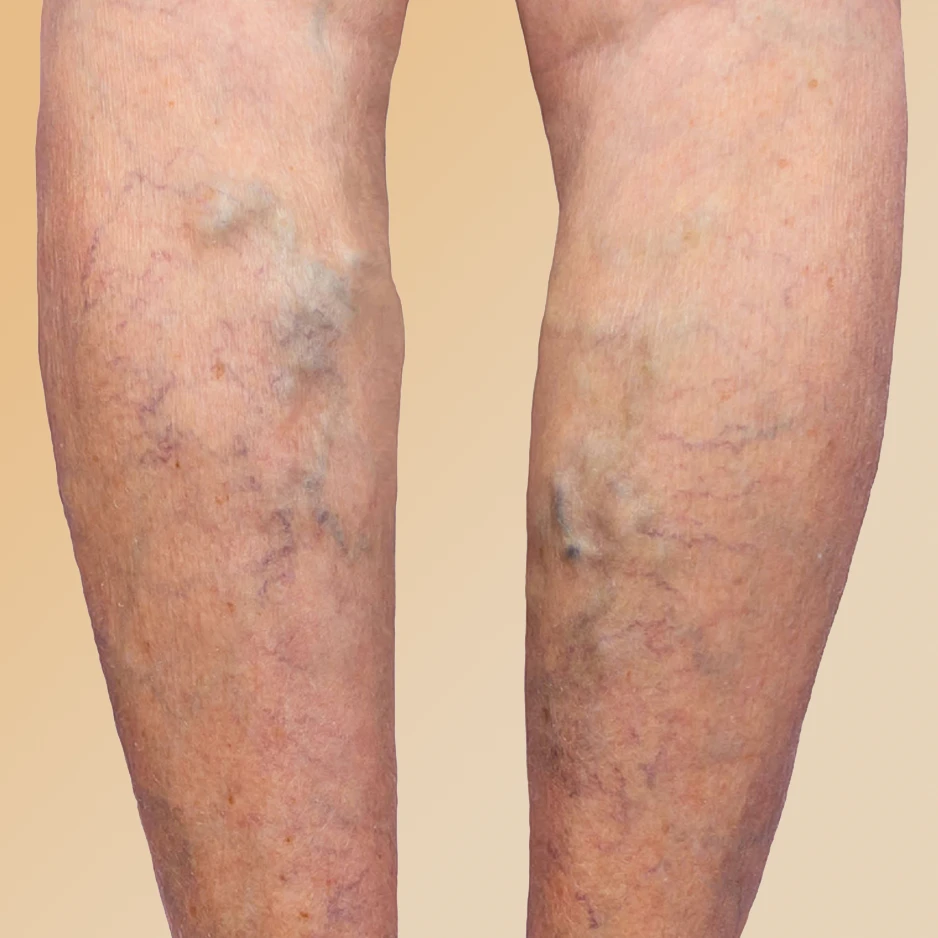
obs that require static positions for extended periods can reduce circulation and increase pressure in leg veins, triggering muscle spasms over time

Aging and Natural Vein Wear
As we age, vein walls naturally weaken and valves become less efficient, making it harder for blood to flow upward and increasing cramping risk.
Lack of Regular Movement
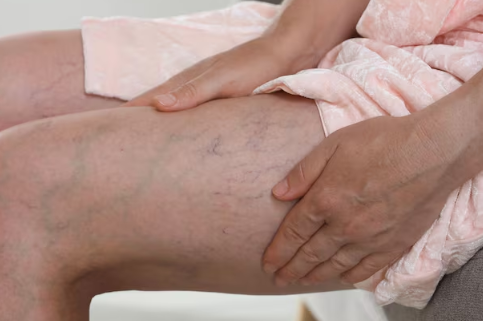
Physical activity helps the "calf pump" circulate blood. A sedentary lifestyle can slow flow and increase the likelihood of developing chronic leg cramps.
Common Symptoms Accompanying Leg Cramps
Leg cramps are often more than an isolated muscle issue they can cause ongoing discomfort and affect daily quality of life. At Vascura Pain and Vein Clinic, our experienced vascular specialists help patients recognize early symptoms and find the right leg cramps treatment in New Jersey before the condition worsens.
- Sudden sharp calf or thigh pain
- Hard muscle knots during cramps
- Nighttime spasms (charley horses)
- Leg Heaviness or Aching
- Visible varicose or reticular veins
If leg cramps are disrupting your sleep or worsening over time, early evaluation by a leg cramps specialist in New Jersey can prevent progression to more serious vein conditions including skin changes, chronic swelling, and venous ulcers.