
If you are experiencing persistent swelling, early evaluation can help identify the cause and prevent progression to more serious vein conditions.
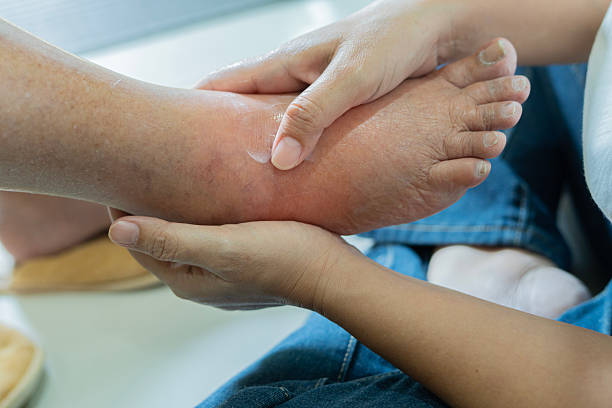
Effective, Minimally Invasive Relief for Leg Swelling — Vascura NJ
We treat leg swelling at its source at Vascura Pain and Vein Clinic with advanced, minimally invasive treatment. Our vein experts specialize in determining the source or issue behind the circulation issue that is causing your edema, not just shrinking the swelling for a while, to provide you with long-term comfort, increased mobility, and improved circulation.
Leg swelling is caused by an accumulation of fluid in the lower leg, ankle, or foot, resulting from high venous pressure due to malfunctioning valves. Some swelling is normal, but if it increases or recurs, it’s usually a symptom of underlying vascular disease that should be addressed.
Leg swelling including veins swelling in leg occurs when excess fluid collects in the lower legs, ankles, or feet due to elevated venous pressure from faulty vein valves. While occasional swelling may be harmless, persistent or worsening edema is often linked to:
• Venous reflux disease causing blood to pool and fluid to leak into the leg tissues
• Varicose or reticular veins disrupting normal venous blood flow and return
• Chronic venous insufficiency, where vein valves progressively fail over time
• Deep vein issues that contribute to hidden swelling in veins in legs
Our New Jersey clinic provides comprehensive evaluation and personalized care using modern, non-surgical techniques. Every care plan is customized by a skilled vein doctor to match your symptoms, lifestyle, and long-term vein health goals.
Understanding leg swelling — what you need to know
Swelling in veins in legs occurs when fluid accumulates in the tissues of the lower extremities due to poor venous circulation and increased pressure inside the leg veins. This condition may affect one or both legs and can range from mild ankle puffiness to persistent lower leg enlargement that interferes with daily comfort and mobility.
Many patients are surprised to learn that chronic leg swelling is frequently linked to underlying vein disease even when large varicose veins are not visible on the surface.
At Vascura Pain and Vein Clinic, our NJ vein specialists commonly evaluate patients experiencing:
• Persistent swelling in the ankles, calves, or feet
• Heaviness or tightness in the legs
• Swelling that worsens later in the day
• Puffiness after prolonged standing or sitting
• Skin tightness or visible indentation after pressure (pitting edema)
• Leg fatigue accompanied by visible vein changes
• Symptoms temporarily improving with leg elevation or walking
Because swelling in the veins in the legs may signal venous reflux disease or chronic venous insufficiency, early vascular evaluation is important to prevent progression into more advanced vein complications such as skin discoloration, inflammation, or venous ulcers.
At Vascura, we focus on identifying the true vascular cause of leg swelling so treatment addresses the underlying circulation problem not just the visible fluid buildup.
What causes leg swelling from vein disease?
Leg swelling occurs when excess fluid accumulates in the tissues of the lower legs, ankles, or feet. In many patients, this fluid buildup is directly linked to venous dysfunction not heart or kidney disease, as many assume. When vein valves fail to close properly, blood flows backward (a condition called venous reflux) and pools in the lower extremities. The resulting increase in venous pressure forces fluid out of the blood vessels and into surrounding tissue, causing visible, often painful swelling.
At Vascura Pain and Vein Clinic, our vein doctors commonly diagnose the following underlying causes in NJ patients presenting with chronic leg swelling:

Venous reflux disease
Blood flows backward through damaged vein valves, pooling in the legs and forcing fluid into surrounding tissues, causing pitting edema and heaviness.
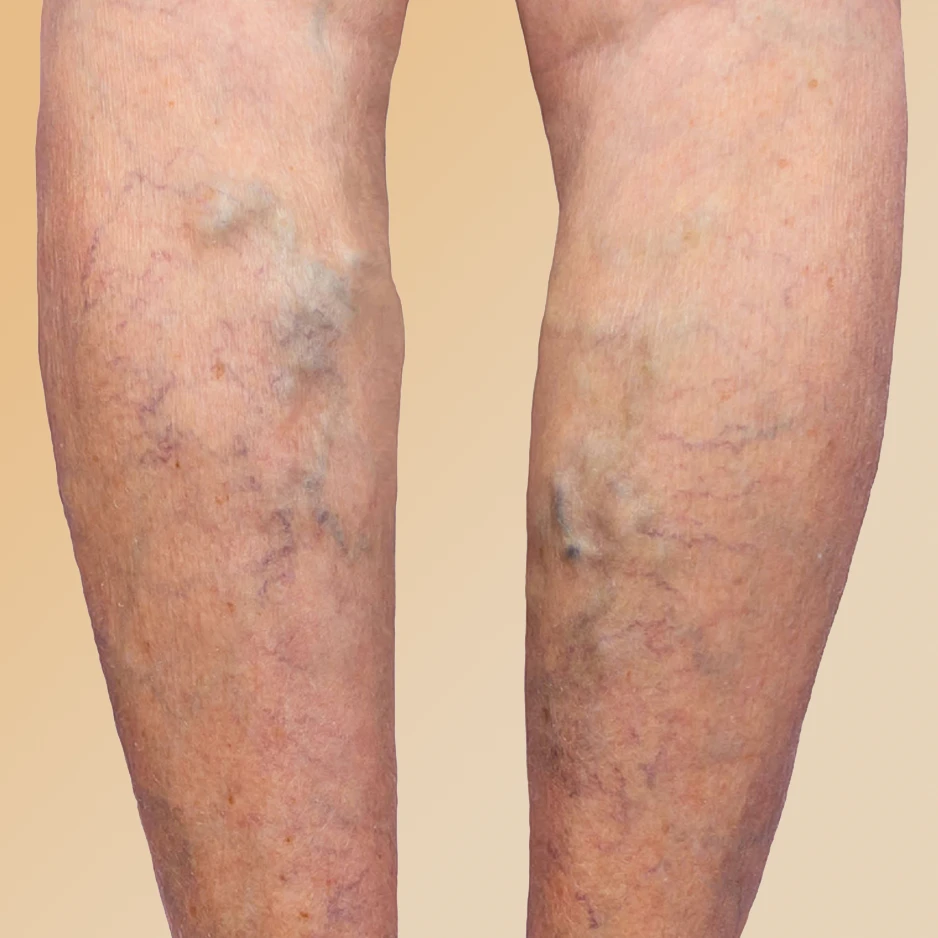
Varicose veins
Enlarged, twisted surface veins that disrupt normal venous circulation and contribute to localized swelling, skin tightness, and aching in the lower legs.

Prolonged Standing or Sitting
Extended periods without movement slow circulation and increase pressure in the lower legs a common trigger for temporary but recurrent edema.

Pregnancy-related edema
Increased blood volume and pelvic vein compression during pregnancy cause temporary but significant leg and ankle swelling manageable with compression therapy.
Common Symptoms of Leg Swelling (Edema)
Leg swelling linked to swelling in veins in legs can range from mild puffiness to significant, painful enlargement of the lower legs and ankles. At Vascura, our experienced vein specialists help patients across New Jersey recognize when edema may be signaling a serious underlying circulation problem that requires professional vein care:
- Persistent Swelling in the Lower Legs
- Tight or Stretched Skin
- Heaviness or Fatigue in the Legs
- Indentation After Pressure (Pitting Edema)
- Skin Discoloration
- Associated Varicose or Reticular Veins