
If these symptoms persist for more than a few weeks or begin to intensify, consult a sciatica specialist in Hudson, Passaic County can lead to a faster diagnosis and effective non-surgical relief options.

What Is Sciatica? Understanding Sciatic Nerve Compression
Sciatica is not a diagnosis in itself it is a symptom pattern. It describes pain, numbness, tingling, or weakness that radiates along the path of the sciatic nerve, the longest nerve in the human body, which originates from the lower lumbar spine and travels through the buttock and down each leg to the foot.
The term lumbar radiculopathy is the clinical term physicians use when nerve roots in the lumbar spine become compressed or chemically irritated. When that compression involves the L4, L5, or S1 nerve roots the most common levels it produces the characteristic leg pain that most patients associate with sciatica.
Understanding this distinction matters because it determines which structure is being compressed and where. A herniated disc at L5-S1 produces a different pain pattern than foraminal stenosis at L4-L5, and both require different treatment approaches. This is why accurate diagnosis from a qualified sciatica specialist is the non-negotiable first step toward lasting relief.
Schedule your consultation today and take the first step toward a pain-free and better quality of life.
About Our Sciatica Specialist
Vascura Pain and Vein Clinic is led by a physician with dual specialty training in interventional pain management and vascular medicine. This background is particularly relevant for sciatica patients because vascular conditions including peripheral artery disease can produce leg pain patterns that closely resemble sciatic nerve pain. Without the ability to differentiate between the two, patients can receive months of treatment for the wrong condition.
Our physician performs all image-guided procedures directly. Fluoroscopic-guided lumbar epidural injections, diagnostic nerve blocks, and radiofrequency ablation procedures are performed physician-to-patient not delegated to mid-level providers. Patients receive the same specialist at every consultation, procedure, and follow-up visit.
Common Causes of Sciatica
Sciatic nerve pain can originate from multiple structural sources. Identifying which one is driving your symptoms is what determines your treatment path.

Muscle Strain & Poor Posture
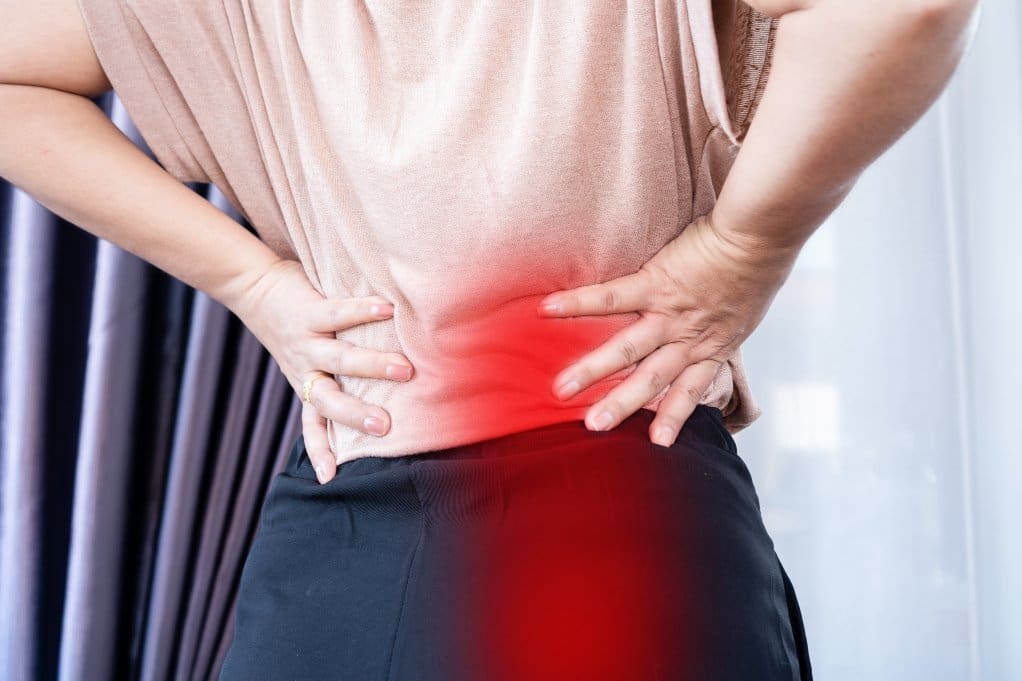
Prolonged sitting, heavy lifting, or poor posture can tighten the lower back and hip muscles, placing pressure on the sciatic nerve. This often leads to stiffness, dull aching pain, and reduced flexibility that gradually worsens without corrective care.

Herniated or Bulging Lumbar Discs
When spinal discs in the lower back shift or rupture, they may press directly on nearby nerve roots. This is one of the most common causes of sciatica leg pain, producing sharp, shooting sensations that travel from the lower back down the leg.
Degenerative Disc Disease
As spinal discs lose hydration and height over time, the resulting structural instability places abnormal stress on surrounding facet joints and ligaments. This can gradually narrow the foramina through which nerve roots exit the spine, causing progressive sciatic nerve irritation that builds over years rather than appearing suddenly.
Injury & Accident-Related Trauma
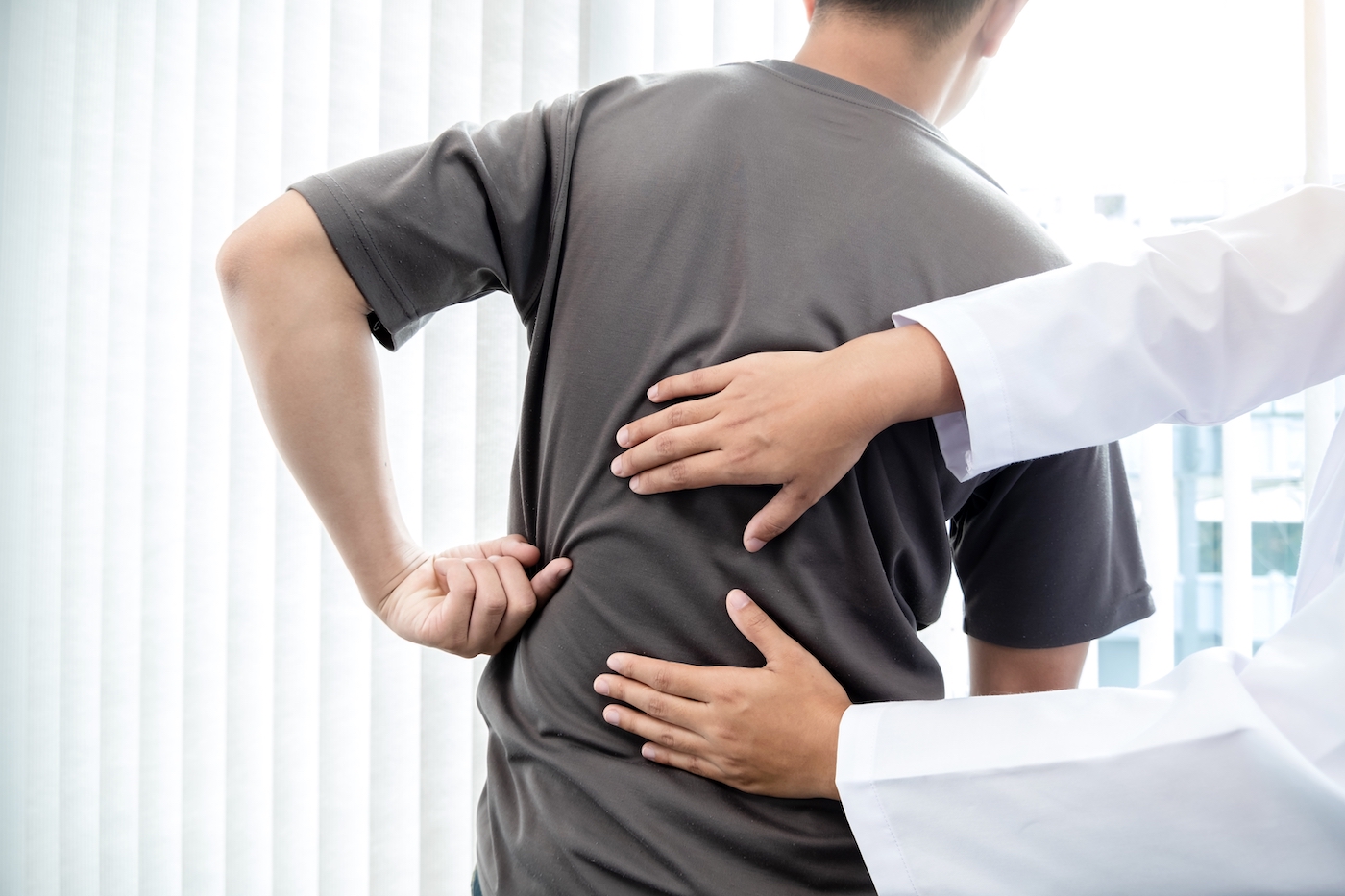
Car accidents, sports injuries, or sudden twisting movements can damage spinal tissues and inflame surrounding nerves. Without early evaluation, these injuries may evolve into long-term nerve pain or recurring sciatica flare-ups.
Symptoms of Sciatica You Shouldn’t Ignore
Sciatic nerve pain presents differently from patient to patient, but the following symptoms are hallmarks of sciatic nerve involvement:
- Sharp or shooting pain that travels from the lower back down one leg
- Burning or electric-shock sensations in the hip, thigh, or calf
- Numbness or tingling in the foot or toes
- Muscle weakness in the leg or difficulty lifting the foot
- Pain that worsens while sitting for long periods
- Lower back stiffness combined with leg discomfort
- Difficulty standing, walking, or bending without pain