
If you are experiencing these symptoms and searching for perforator vein incompetence treatment near me or a trusted clinic, early evaluation can help prevent skin breakdown and improve long-term vein health.
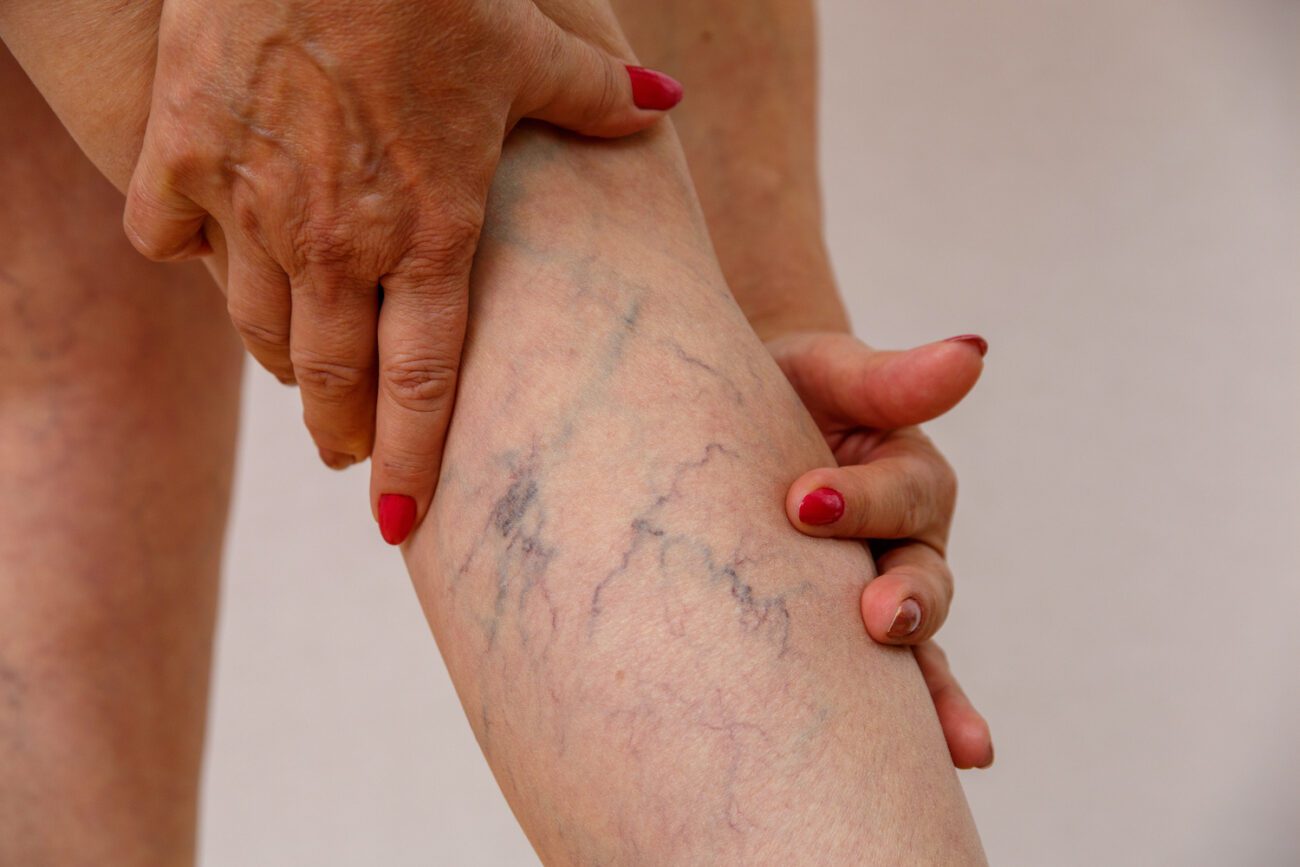
Effective, Minimally Invasive Relief for Perforator Vein Incompetence
Perforator vein incompetence is one of the most underdiagnosed causes of chronic leg problems in New Jersey and one of the most serious. When the small connecting veins between the deep and superficial venous systems fail, blood flows backward under high pressure toward the skin surface, causing progressive swelling, skin damage, and, in advanced cases, painful venous ulcers that are difficult to heal.
If you’ve been searching for a trusted perforator vein specialist near me or effective perforator vein incompetence treatment near me in New Jersey, Vascura Pain & Vein Clinic offers the expert, diagnostic-first care you need. Dr. Babus personally handles every evaluation, ultrasound study, procedure, and follow-up ensuring your care is consistent, accurate, and focused on long-term results.
With three convenient locations serving , Passaic County and Hudson County, expert perforator vein incompetence treatment in NJ is always accessible wherever you are in the region.
Understanding Perforator Vein Incompetence
To understand perforator vein incompetence, it helps to understand how the venous system in the legs works.
The leg has two main venous systems: the superficial system (veins close to the skin surface) and the deep system (veins located within the muscle). These two systems are connected by perforator veins short, valved vessels that normally allow blood to flow in only one direction: from the superficial system into the deep system, where it can be pumped back up to the heart.
When the valves inside these perforator veins weaken or fail, blood flows in the wrong direction — from the deep system back toward the skin surface. This reversal creates high pressure in the superficial veins and surrounding tissue, causing progressive swelling, skin changes, and eventually tissue breakdown.
Perforator vein incompetence is a significant and often overlooked contributor to:
- Chronic venous insufficiency
- Recurrent varicose veins after previous treatment
- Persistent leg swelling despite compression therapy
- Venous skin ulcers that are slow to heal or keep returning
- Skin discoloration and hardening (lipodermatosclerosis) near the ankles
At Vascura’s vein clinic in New Jersey, we have the diagnostic expertise and treatment capabilities to identify and address perforator vein incompetence even when it has been missed elsewhere.
Common Causes of Perforator Vein Incompetence
Understanding the root cause of your perforator vein incompetence helps Dr. Babus design the most effective, targeted leg vein treatment in NJ for your specific situation.

Long-term pressure in the superficial or deep veins often causes the perforator valves to eventually fail and leak.
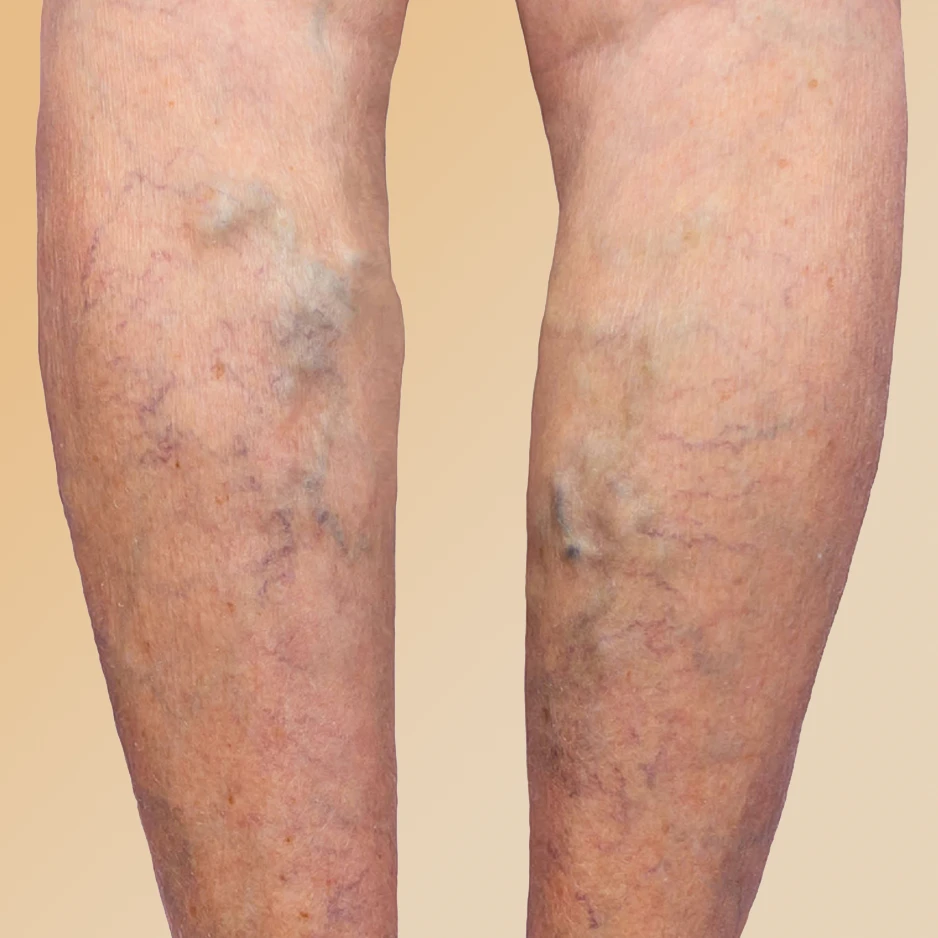
A history of deep vein thrombosis can cause permanent valve damage throughout the leg including the perforator veins

Trauma or Leg Injury
Physical damage to the lower limbs can disrupt the delicate valve structures within the perforator vein system over time.

Genetic Predisposition
Many patients searching for a perforator vein specialist near me discover that a family history of weak vein walls contributes significantly.
Common Symptoms of Perforator Vein Incompetence
Perforator vein incompetence is more than a cosmetic concern it causes genuine, progressive medical problems that significantly affect quality of life. Recognizing the symptoms early is essential for preventing serious complications like venous ulcers and permanent skin damage.
- Darkening or Discoloration of Skin
- Persistent Swelling Near the Ankles
- Skin Thickening or Hardening (Lipodermatosclerosis)
- Chronic Aching or Deep Leg Pain
- Slow-Healing Leg Ulcers or Sores
- Intense Itching or "Venous Eczema"
- Visible Bulging Near the Ankle Bone