Home > Pain > Treatments > PRP / Regenerative Medicine

PRP / Regenerative Medicine in New Jersey

At Vascura Pain and Vein Clinic, we offer advanced PRP and regenerative medicine in New Jersey to help patients heal naturally and reduce pain without surgery. Using the body’s own healing components, regenerative medicine may support tissue repair, decrease inflammation, and improve joint and soft tissue function. Patients looking for regenerative medicine near me choose our clinic for personalized, minimally invasive care focused on long-term recovery and mobility.

prp-injection

What Is PRP / Regenerative Medicine?

PRP (Platelet-Rich Plasma) and regenerative medicine are advanced treatment options that use the body’s natural healing response to help repair damaged tissues and reduce chronic pain. At Vascura Pain and Vein Clinic, we provide personalized treatment for joint injuries, tendon problems, and musculoskeletal pain without surgery.

PRP therapy involves:

  • Drawing a small sample of your blood
  • Processing it to concentrate healing platelets
  • Injecting the platelet-rich solution into the affected area
  • Supporting natural healing and tissue recovery

Unlike treatments that only mask symptoms, regenerative medicine focuses on helping the body heal from within. Because PRP uses your own biological material, it is considered a minimally invasive option with a low risk of allergic reaction or complication.

Patients throughout New Jersey often search for a regenerative medicine specialist when they want non-surgical options for chronic pain, reduced mobility, and joint discomfort.

How Does PRP / Regenerative Medicine Work?

Regenerative medicine works by using concentrated healing components from your own body to support tissue repair and reduce inflammation at the source of pain. Our team provides precise, image-guided treatment designed to support healing and recovery over time.

The treatment process is simple and structured:

  • Initial consultation and evaluation
  • Blood draw performed in the office
  • Platelet concentration using a centrifuge
  • Image-guided injection into the targeted area
  • Follow-up care to monitor healing progress

Patients looking for regenerative medicine for joint pain often choose this option because it is minimally invasive and focused on long-term improvement rather than short-term symptom relief.

Conditions Treated with PRP / Regenerative Medicine

PRP and regenerative medicine are commonly used for chronic musculoskeletal pain, joint injuries, and soft tissue damage. At Vascura Pain and Vein Clinic, we create personalized treatment plans to help reduce pain, improve function, and support recovery.

Knee Pain and Osteoarthritis

PRP therapy may help reduce inflammation and improve joint function in patients with early to moderate arthritis or chronic knee pain.

Shoulder Injuries and Rotator Cuff Tendonitis

Inflammation or partial tears in shoulder tendons can cause ongoing pain and weakness. PRP helps support tendon healing and improved mobility.

Tendon Injuries

Chronic overuse injuries affecting tendons — such as tennis elbow or Achilles tendon pain — may respond well to regenerative treatment.
Hip and Joint Pain

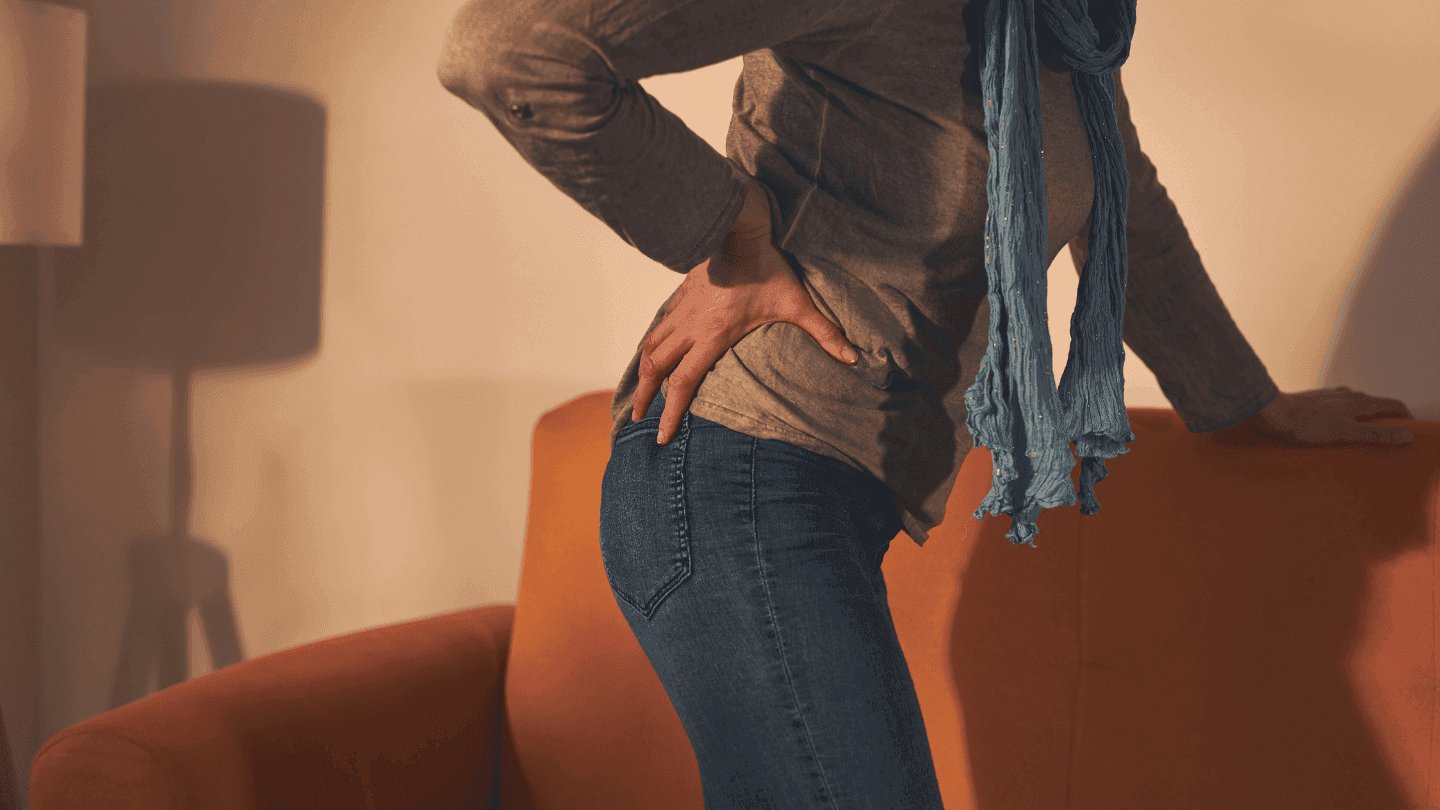
Patients with chronic hip or joint discomfort often choose PRP as a minimally invasive alternative to surgery or repeated steroid injections.

Patients searching online for a regenerative medicine clinic near me often want one provider that offers personalized care for multiple joint and soft tissue conditions in one place.

Procedure Steps – What to Expect

At Vascura Pain and Vein Clinic, PRP / Regenerative Medicine in Lodi, NJ is performed using a precise, minimally invasive process designed to support natural healing while keeping patients comfortable and informed throughout treatment.

Initial Consultation & Evaluation

Your treatment begins with a comprehensive evaluation to identify the injured or painful area and determine whether PRP therapy is the right option for your condition.

Blood Draw

A small sample of your blood is collected, similar to a routine lab test. This step is quick and performed in-office.

Platelet Concentration Process

The blood sample is placed in a specialized centrifuge that separates and concentrates the platelets and healing growth factors needed for regenerative therapy.

Image-Guided Injection

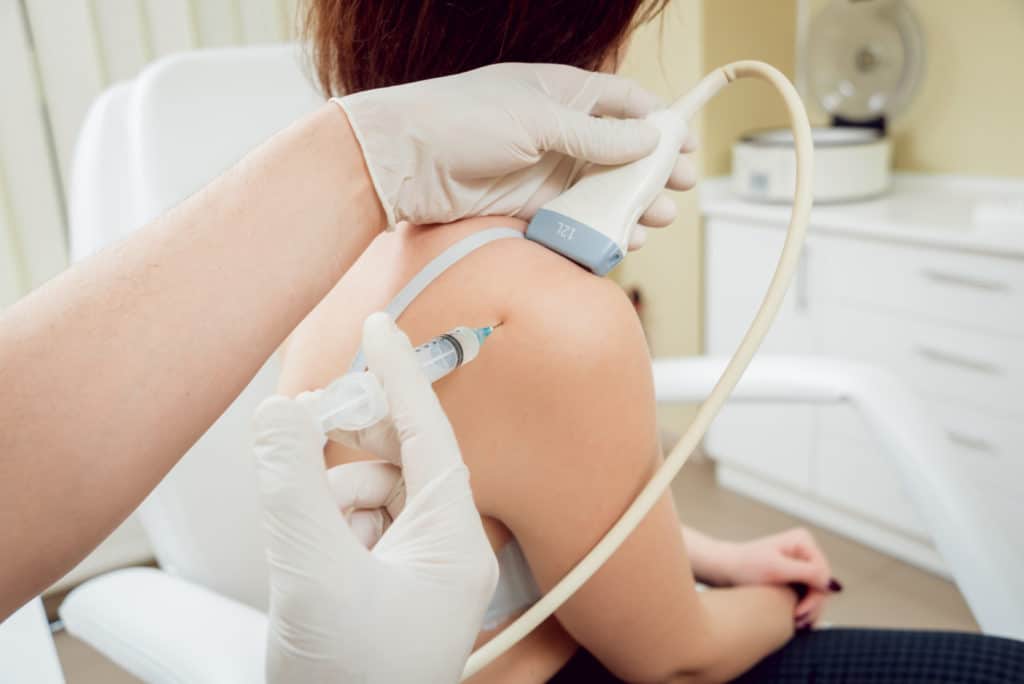
Using ultrasound or imaging guidance, the concentrated PRP solution is carefully injected into the targeted joint, tendon, or soft tissue area for precise treatment.

Post-Procedure Monitoring

After the injection, patients rest briefly before going home the same day. Detailed aftercare instructions are provided to support optimal healing.

Follow-Up & Recovery Progress

Follow-up visits allow our specialists to track healing, monitor results, and recommend any additional supportive therapies if needed.

Benefits of PRP / Regenerative Medicine

Regenerative medicine offers a natural, minimally invasive approach to pain relief by supporting the body’s own healing process.

Uses Your Body’s Natural Healing Ability

PRP is created from your own blood, making it a biocompatible treatment that works with the body to encourage tissue repair and regeneration.

Minimally Invasive & Non-Surgical

The procedure involves only a simple injection, allowing patients to avoid surgery, incisions, and extended recovery times.

Reduced Inflammation and Pain

Concentrated growth factors help calm inflammation at the source, which can significantly reduce chronic joint or tendon discomfort.

Promotes Tissue Repair and Recovery

Unlike treatments that only mask symptoms, PRP supports healing of damaged tendons, ligaments, and joint tissues over time.

Low Risk of Allergic Reaction

Because the treatment uses your own blood components, the risk of rejection or allergic response is minimal.

Improved Mobility and Long-Term Function

Many patients experience better joint movement and increased activity levels as healing progresses.

Who Is a Good Candidate for PRP / Regenerative Medicine?

PRP and regenerative medicine may be a good option for patients looking for a natural, minimally invasive solution for chronic joint, tendon, or soft tissue pain. These treatments are often considered by individuals who want to reduce pain, improve mobility, and support healing without surgery or extended downtime. Patients who have ongoing discomfort from arthritis, overuse injuries, tendon irritation, or mild to moderate joint degeneration may benefit from a personalized evaluation to determine whether regenerative treatment is appropriate for their condition.

You May Be a Good Candidate If You

Experience chronic joint or tendon pain
Have mild to moderate arthritis or early joint degeneration
Have sports-related or overuse injuries
Want a natural, non-surgical treatment option
Have tendon or ligament injuries
Prefer minimally invasive treatment with minimal downtime

Our specialists at Vascura Pain and Vein Clinic will perform a detailed assessment to ensure PRP therapy is safe, appropriate, and customized for patients throughout Bergen County and New Jersey.

Recovery & What to Expect After PRP Therapy

Recovery after PRP and regenerative medicine treatment is usually straightforward because the procedure is minimally invasive and designed to work with the body’s natural healing process.

Immediately After the Procedure

Most patients return home shortly after treatment. Mild soreness, swelling, or stiffness at the injection site is common and usually resolves within a few days.

First Few Days of Recovery

Because PRP stimulates healing, some temporary discomfort may occur as the body’s repair response begins. Light movement is encouraged, but high-impact activity should be avoided initially.

When Results Begin to Appear

Improvement is often gradual. Some patients notice changes within a few weeks, while full benefits typically develop over several weeks to months as tissues heal.

Returning to Activities

Most individuals resume normal daily activities within a short time, with exercise or sports reintroduced gradually based on provider guidance.

Follow-Up Care

Follow-up visits allow our specialists to monitor healing progress and determine whether additional regenerative treatments may be beneficial.

Recovery Tips for Best Results
  • Follow post-procedure instructions carefully

  • Avoid strenuous activity for a short period

  • Stay hydrated and maintain healthy movement

  • Attend scheduled follow-up appointments

Patients across Bergen County and New Jersey appreciate PRP therapy because it supports natural healing with minimal downtime and long-term recovery potential.

Why Choose Vascura for PRP / Regenerative Medicine

Selecting the right provider is essential for achieving safe, effective, and lasting results from regenerative therapies. At Vascura Pain and Vein Clinic, we combine advanced regenerative medicine techniques with personalized care to deliver high-quality PRP therapy in NJ focused on natural healing and long-term recovery.

Experienced Regenerative Medicine Specialists

Our team has extensive experience using PRP and minimally invasive therapies to treat chronic joint, tendon, and musculoskeletal pain.

Advanced Image-Guided Precision

We use ultrasound and imaging guidance to ensure accurate injection placement, maximizing effectiveness while protecting surrounding tissues.

Personalized Treatment Plans

Every PRP treatment is tailored to your condition, activity level, and healing goals to provide a truly individualized recovery plan.

Minimally Invasive, Natural Healing Approach

By using your body’s own healing factors, we focus on regenerative solutions that help repair tissue without surgery.

Frequently Asked Questions About PRP / Regenerative Medicine

What is PRP therapy?

PRP (platelet-rich plasma) therapy is a minimally invasive regenerative treatment that uses a concentrated preparation of your own platelets, extracted from a small blood draw, to deliver growth factors directly to an injured or arthritic area. These growth factors stimulate the body’s natural healing response, reduce inflammation, and promote tissue repair. PRP is used for joint arthritis, tendon injuries, ligament damage, and spine conditions.

PRP is most commonly used for knee, hip, and shoulder osteoarthritis; rotator cuff tendinitis; tennis and golfer’s elbow, plantar fasciitis; Achilles tendinitis, and chronic back and neck pain from disc or facet joint degeneration. It is also used in combination with other treatments for enhanced recovery from spinal procedures. Research supports PRP as an effective option for mild to moderate

Most conditions require a series of 1–3 PRP injections spaced 4–6 weeks apart for optimal results. Some patients respond well after a single injection, while others with more advanced conditions benefit from the full series. Maintenance injections can be performed annually or as needed if symptoms return. 

PRP uses concentrated platelets from your own blood to deliver growth factors that stimulate healing, while stem cell therapy uses undifferentiated cells, typically from bone marrow or adipose tissue, that can potentially differentiate into multiple cell types and more directly regenerate damaged tissue. PRP is more widely studied and broadly available, while stem cell therapy is typically reserved for more advanced conditions. Dr. Babus will recommend the appropriate regenerative approach based on your diagnosis. 

PRP results develop gradually as the healing response is activated. Most patients begin noticing improvement 4–8 weeks after the first injection, with full benefit typically realized by 3–6 months. Unlike cortisone injections, which provide rapid but temporary relief, PRP works by addressing the underlying tissue damage for more durable outcomes. The healing process continues for several months after the injection. 

PRP results develop gradually as the healing response is activated. Most patients begin noticing improvement 4–8 weeks after the first injection, with full benefit typically realized by 3–6 months. Unlike cortisone injections, which provide rapid but temporary relief, PRP works by addressing the underlying tissue damage for more durable outcomes. The healing process continues for several months after the injection. 

PRP results develop gradually as the healing response is activated. Most patients begin noticing improvement 4–8 weeks after the first injection, with full benefit typically realized by 3–6 months. Unlike cortisone injections, which provide rapid but temporary relief, PRP works by addressing the underlying tissue damage for more durable outcomes. The healing process continues for several months after the injection. 

No medical procedure is 100% safe, and PRP is no exception. Because PRP comes from your own blood, it is generally considered low risk, but patients can still have pain, swelling, injection discomfort, and there is a remote risk of contamination if sterile handling is not maintained.

Heal Naturally with PRP / Regenerative Medicine

If joint pain, tendon injuries, or chronic inflammation are limiting your daily life, PRP and regenerative medicine may help your body heal naturally without surgery. At Vascura Pain and Vein Clinic, we provide advanced, minimally invasive treatment designed to reduce pain, support tissue repair, and help patients return to an active lifestyle. If you are looking for a regenerative medicine doctor, regenerative medicine specialist, or regenerative medicine clinic near me, our team is here to help.