Home > Pain > Conditions > Sciatica 

Sciatica Treatment, New Jersey

Non-surgical sciatic nerve pain care from a board-certified pain specialist serving Passaic, Hudson, and Essex County communities across Northern New Jersey.

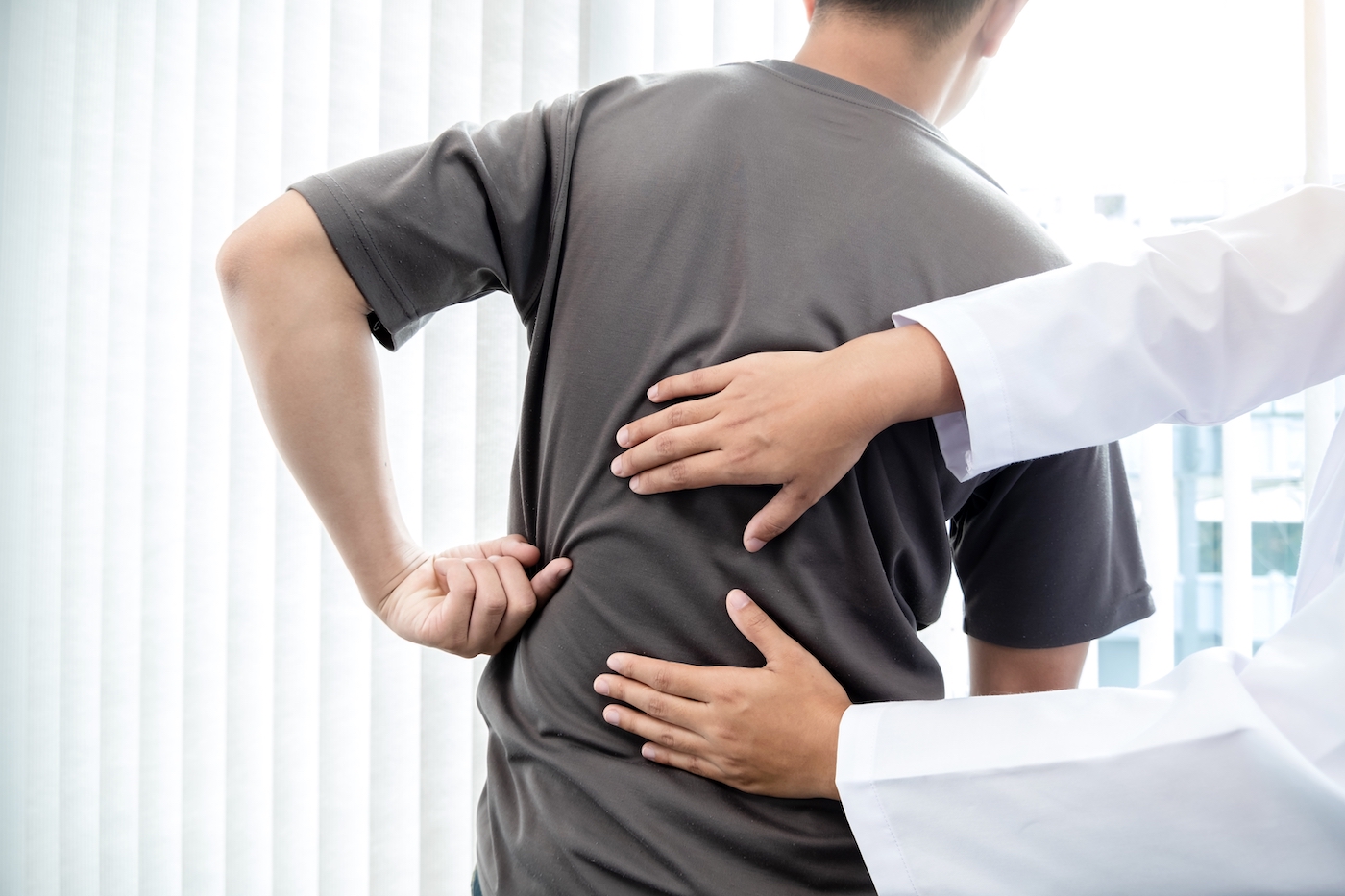
Close-up-of-doctor-examining-lower-back-of-patient

What Is Sciatica? Understanding Sciatic Nerve Compression

Sciatica is not a diagnosis in itself  it is a symptom pattern. It describes pain, numbness, tingling, or weakness that radiates along the path of the sciatic nerve, the longest nerve in the human body, which originates from the lower lumbar spine and travels through the buttock and down each leg to the foot.


The term lumbar radiculopathy is the clinical term physicians use when nerve roots in the lumbar spine become compressed or chemically irritated. When that compression involves the L4, L5, or S1 nerve roots  the most common levels  it produces the characteristic leg pain that most patients associate with sciatica.


Understanding this distinction matters because it determines which structure is being compressed and where. A herniated disc at L5-S1 produces a different pain pattern than foraminal stenosis at L4-L5, and both require different treatment approaches. This is why accurate diagnosis from a qualified sciatica specialist is the non-negotiable first step toward lasting relief.

Schedule your consultation today and take the first step toward a pain-free and better quality of life.

About Our Sciatica Specialist

Vascura Pain and Vein Clinic is led by a physician with dual specialty training in interventional pain management and vascular medicine. This background is particularly relevant for sciatica patients because vascular conditions  including peripheral artery disease can produce leg pain patterns that closely resemble sciatic nerve pain. Without the ability to differentiate between the two, patients can receive months of treatment for the wrong condition.

Our physician performs all image-guided procedures directly. Fluoroscopic-guided lumbar epidural injections, diagnostic nerve blocks, and radiofrequency ablation procedures are performed physician-to-patient  not delegated to mid-level providers. Patients receive the same specialist at every consultation, procedure, and follow-up visit.

Common Causes of Sciatica

Sciatic nerve pain can originate from multiple structural sources. Identifying which one is driving your symptoms is what determines your treatment path.

risk-factors-sciatica

Muscle Strain & Poor Posture

Prolonged sitting, heavy lifting, or poor posture can tighten the lower back and hip muscles, placing pressure on the sciatic nerve. This often leads to stiffness, dull aching pain, and reduced flexibility that gradually worsens without corrective care.

Herniated-Disc-Pain

Herniated or Bulging Lumbar Discs

When spinal discs in the lower back shift or rupture, they may press directly on nearby nerve roots. This is one of the most common causes of sciatica leg pain, producing sharp, shooting sensations that travel from the lower back down the leg.

Sciatica

Degenerative Disc Disease

As spinal discs lose hydration and height over time, the resulting structural instability places abnormal stress on surrounding facet joints and ligaments. This can gradually narrow the foramina through which nerve roots exit the spine, causing progressive sciatic nerve irritation that builds over years rather than appearing suddenly.

back pain

Injury & Accident-Related Trauma

Car accidents, sports injuries, or sudden twisting movements can damage spinal tissues and inflame surrounding nerves. Without early evaluation, these injuries may evolve into long-term nerve pain or recurring sciatica flare-ups.

Symptoms of Sciatica You Shouldn’t Ignore

Sciatic nerve pain presents differently from patient to patient, but the following symptoms are hallmarks of sciatic nerve involvement:

If these symptoms persist for more than a few weeks or begin to intensify, consulting a sciatica specialist in Bergen County can lead to faster diagnosis and effective non-surgical relief options.

Types of Neck Pain We Treat

Sciatica pain can vary in intensity, frequency, and underlying cause. Understanding the specific pattern of nerve discomfort you are experiencing helps determine the most effective sciatica treatment in Bergen County, NJ and ensures a more targeted path to long-term relief.

Acute Sciatica

Short-term nerve pain that usually lasts a few weeks and is often triggered by sudden strain or disc irritation.

Chronic Sciatica

Persistent nerve pain lasting longer than 3 months, usually linked to spinal degeneration or recurring disc issues.

Left-Side Sciatica

Pain radiating from the lower back down the left leg due to nerve compression on the left spinal region.

Right-Side Sciatica

Similar nerve pain pattern affecting the right side of the body, often caused by herniated discs or spinal narrowing.

Bilateral Sciatica

Pain affecting both legs simultaneously — less common and usually associated with central spinal compression.

How Sciatica Is Diagnosed

Our diagnostic process is structured to identify not just that you have sciatica, but exactly where the nerve is being compressed and why  because this determines which treatment will actually work.

Physical Examination

A specialist evaluates posture, reflexes, muscle strength, and range of motion to determine nerve involvement and pain triggers.

Neurological Testing

Simple movement and sensation tests help identify numbness, weakness, or nerve compression patterns.

Imaging Studies (MRI / CT Scan)

Advanced imaging reveals herniated discs, spinal stenosis, or structural abnormalities pressing on the sciatic nerve.

Diagnostic Injections

In some cases, targeted injections help confirm the exact nerve source of pain before treatment planning.

Early and precise diagnosis allows a sciatica specialist in New Jersey to recommend the most effective non-surgical treatment options and avoid unnecessary procedures.

Non-Surgical Sciatica Treatments We Offer

Our approach prioritizes getting the right diagnosis first, then applying the most targeted, least invasive treatment available. The majority of patients achieve meaningful relief without surgery.

Epidural Steroid Injections

A widely used sciatica pain treatment that delivers anti-inflammatory medication directly near the irritated nerve root to reduce swelling and relieve radiating leg pain.

Radiofrequency Ablation (RFA)

An advanced interventional pain management procedure that uses controlled heat energy to interrupt pain signals from affected nerves, providing long-lasting relief for many patients.

Nerve Block Injections

Targeted injections used to temporarily block pain signals and confirm the exact nerve source before long-term treatment planning.

Regenerative Medicine Therapies

Innovative options such as PRP therapy for back pain support natural tissue healing and may reduce inflammation in spinal structures without surgery.

When Surgery Is Considered

Most individuals respond well to non-surgical back pain and sciatica treatment, but in rare cases where nerve compression is severe or mobility is significantly limited, surgical referral may be discussed. The goal is always to exhaust conservative and minimally invasive options first.

Why Choose Vascura for Sciatica Treatment

Choosing the right clinic plays a major role in how quickly and effectively you recover from nerve pain. At Vascura Pain and Vein Clinic, patients receive focused, one-on-one care from a dedicated sciatica specialist in New Jersey rather than rotating providers. Our goal is to combine advanced technology with personalized attention so every treatment plan is clear, comfortable, and results-driven. 

One Doctor, Personalized Care

You see the same physician at every visit, ensuring continuity, accurate follow-ups, and treatment adjustments based on real progress.

Advanced Interventional Pain Management

We utilize modern non-surgical sciatica treatments such as image-guided injections and nerve-targeted therapies for precise and effective relief.

Minimally Invasive Approach

Most procedures are performed in-office with little to no downtime, allowing patients to return to daily activities faster.

Insurance-Friendly & Transparent

Our team assists with insurance verification and pre-authorizations so you can focus on recovery instead of paperwork.

Convenient Bergen County Location

Easily accessible for patients seeking sciatica pain management near me across Northern New Jersey, with comfortable facilities and minimal wait times.

What to Expect During Your Sciatica Treatment Journey

Beginning sciatica treatment in New Jersey can feel overwhelming, but knowing the process helps patients feel more confident and prepared. At Vascura Pain and Vein Clinic, every step is structured to provide clarity, comfort, and measurable progress toward long-term relief. Our pain management specialist in Bergen County focuses on guiding you from diagnosis to recovery with personalized attention and modern non-surgical solutions.

Initial Consultation

You meet with a dedicated sciatica doctor in NJ to review symptoms, medical history, lifestyle factors, and any previous imaging. This conversation helps identify how the pain began and how it affects daily life.

Comprehensive Evaluation

A detailed physical and neurological assessment is performed to pinpoint nerve compression areas and mobility limitations, forming the foundation of your personalized pain management plan.

Customized Treatment Plan

Based on findings, the specialist recommends the most suitable non-surgical sciatica treatments — such as injections, nerve therapies, or guided rehabilitation — tailored specifically to your condition and comfort level.

Procedure & Recovery

Most interventional pain management procedures are completed in-office with minimal downtime. Patients typically return home the same day and gradually resume normal activities.

Frequently Asked Questions About Sciatica Treatment

What does sciatica feel like?

Sciatica typically causes a sharp, shooting or burning pain that travels from the lower back through the buttock and down one leg, sometimes reaching the foot. Many patients also experience numbness, tingling or muscle weakness along the sciatic nerve path. The pain is often worse when sitting for long periods, bending forward or during sudden movements.

Mild sciatica can improve on its own within 4–6 weeks with rest and conservative care, but chronic or severe sciatica rarely resolves without treatment. When a herniated disc or spinal stenosis is compressing the nerve, the underlying cause must be addressed to achieve lasting relief. Early intervention with minimally invasive treatments significantly shortens recovery time and prevents progression.

Sciatica from a herniated disc often improves within 6–12 weeks with appropriate treatment, while sciatica from spinal stenosis or chronic degenerative changes tends to be more persistent. Without treatment, symptoms can last months or become recurring. A sciatica specialist can identify the cause and recommend minimally invasive options to accelerate recovery.

The most effective treatment depends on the cause — lumbar epidural steroid injections are highly effective for disc-related sciatica by reducing nerve inflammation, while radiofrequency ablation or spinal cord stimulation may be appropriate for more chronic cases. Minimally invasive interventions provide faster, more targeted relief than medication alone. Dr. Babus performs a thorough diagnostic evaluation to match the treatment to the exact source.

Yes , because the sciatic nerve runs from the lower back through the hip and down the leg, sciatica can cause pain, numbness or weakness in the hip, thigh, knee and even the calf. This referred pain is often mistaken for a hip or knee joint problem. A proper evaluation by a pain specialist can distinguish sciatic nerve involvement from a true joint condition.

Ready to Find Relief From Sciatica Pain?

Living with constant nerve pain can affect your work, sleep, and overall quality of life — but the right treatment can change that. At Vascura Pain and Vein Clinic, patients receive personalized sciatica treatment in New Jersey focused on long-term relief rather than temporary fixes. Whether your discomfort is recent or chronic, early evaluation by a trusted pain management specialist in NJ can help you return to daily activities with greater comfort and confidence.