
What Is Foam Sclerotherapy?
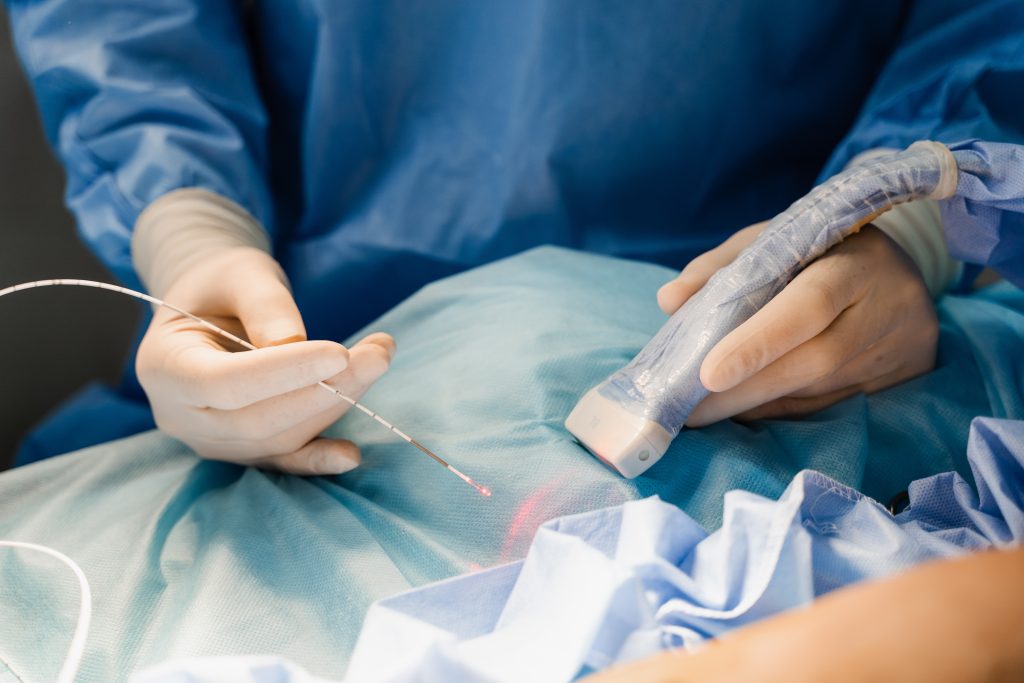
Foam sclerotherapy is a minimally invasive vein treatment that uses a specially prepared foam solution to close damaged or diseased veins, eliminating them from the inside without surgery or incisions.During the procedure, a medical-grade foam solution is injected directly into the targeted vein using a fine needle. Unlike traditional liquid sclerotherapy, the foam solution displaces blood, allowing it to make full, prolonged contact with the entire vein wall. This strengthens the reaction between the solution and the vein lining, causing the vessel to collapse, seal shut, and gradually be absorbed by the body over the following weeks.
At Vascura Pain & Vein Clinic, we offer foam sclerotherapy in Clifton, NJ, as one of several advanced options for sclerotherapy in New Jersey, tailored to each patient’s vein condition.
Once the treated vein is closed, blood naturally reroutes through healthier surrounding veins, improving circulation, relieving venous pressure, and easing the symptoms caused by the diseased vessel.
Why choose foam over liquid sclerotherapy?
Foam offers several key advantages over the traditional liquid method:
- Better vein wall contact: Foam pushes blood aside instead of mixing with it, so the solution reaches the entire vessel wall.
- Effective for larger veins: Foam can treat medium to larger varicose veins in Passaic County, where liquid sclerotherapy often falls short.
- Real-time visualization: Foam shows up clearly on ultrasound, allowing precise, image-guided treatment for deeper or harder-to-reach veins.
- Higher closure rates: Better contact with the vein wall means more durable, long-lasting results.
- Versatile treatment: Effective for varicose veins, reticular veins, spider veins, and perforator vein incompetence.
How Foam Sclerotherapy Works
Understanding the mechanism behind foam sclerotherapy near me helps patients appreciate why it’s such an effective option for vein treatment in New Jersey.
The foam solution used in Sclerotherapy Passaic County contains a sclerosing agent, most commonly polidocanol or sodium tetradecyl sulfate, mixed with air or carbon dioxide gas to create a stable foam consistency. When injected into a diseased vein, this foam:
- Displaces blood — pushing it out of the vessel and allowing direct contact between the sclerosant and the vein wall
- Irritates the endothelium — the inner lining of the vein causing a controlled inflammatory response
- Triggers vein wall collapse — the inflamed walls stick together and seal the vessel shut
- Initiates fibrosis — the sealed vein is gradually converted to fibrous tissue and absorbed by the body
- Reroutes blood flow — circulation naturally redirects through healthier surrounding veins
The result is permanent elimination of the treated vein and meaningful relief from the symptoms it was causing, including leg pain, heaviness, swelling, and visible veins.
Conditions Treated with Foam Sclerotherapy
At Vascura Pain & Vein Clinic, sclerotherapy treatment in Passaic County, NJ, is used as part of a comprehensive, personalized sclerotherapy treatment in New Jersey for a wide range of vein conditions across all three New Jersey locations.

Varicose vein treatment foam sclerotherapy effectively treats bulging, twisted varicose veins that cause leg pain, swelling, and heaviness. It is an excellent option for patients searching for varicose vein treatment near me or care from experienced varicose veins Passaic County.
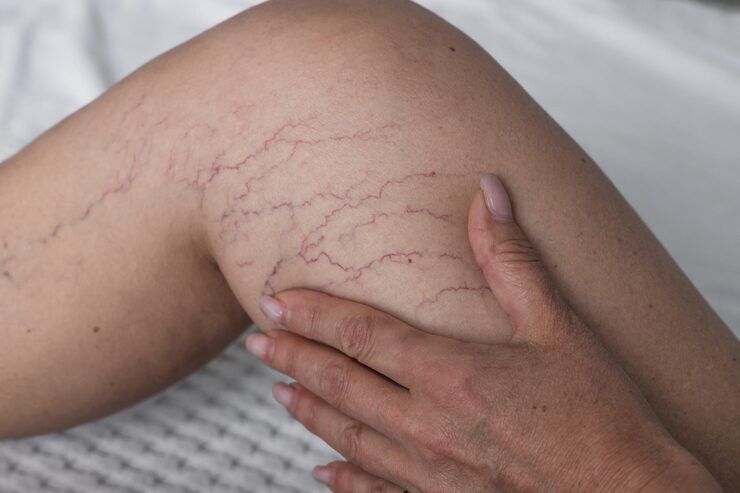
spider vein treatments Passaic County is commonly used for smaller surface veins, helping reduce visible spider veins and improve skin appearance. Patients looking for spider vein treatment near me or a trusted spider vein doctor often benefit from this therapy.

Foam sclerotherapy can treat medium-sized blue or green veins beneath the skin that may cause discomfort or cosmetic concerns, improving overall leg appearance and circulation.
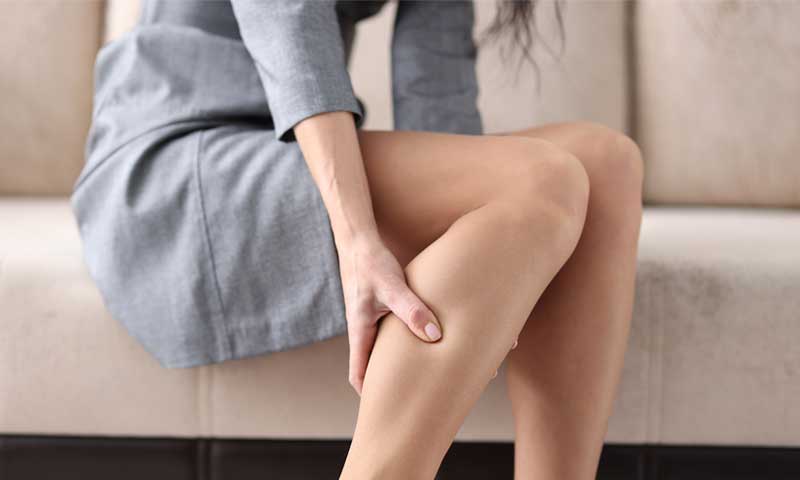
By closing damaged veins, sclerotherapy leg vein treatment new jersey helps relieve symptoms such as aching, fatigue, pressure, and swelling, allowing patients to move more comfortably.