
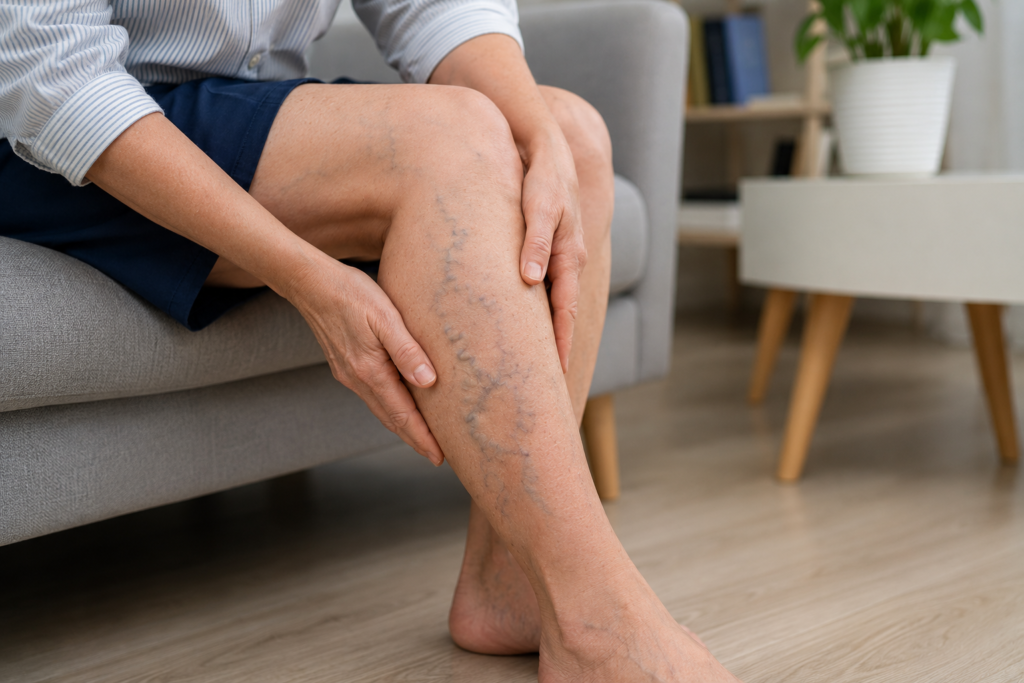
There is a widespread and genuinely damaging misconception about varicose veins: that they are primarily a cosmetic problem, worth addressing only if you are concerned about how your legs look. This belief leads thousands of New Jersey patients to wait years before seeing a vein specialist, often until entirely preventable complications have already taken hold.
The clinical reality is more serious. Varicose veins are the visible surface sign of chronic venous insufficiency, a progressive vascular condition that does not stabilise without treatment. The question is not whether complications will develop if you wait long enough; it is which complications, and how severe.
Dr Glenn Babus, at Vascura Pain & Vein Clinic, has treated patients at every stage of venous disease across New Jersey. What follows is a clinically grounded account of what untreated varicose veins become and why the timing of your evaluation matters more than most patients realise.
Why Varicose Veins Are a Progressive Disease, Not a Static Condition
Understanding why varicose veins worsen over time requires understanding their root cause. They develop when the one-way valves inside the leg veins fail, allowing blood to flow backward and pool under chronically elevated pressure. That pressure does not remain contained within the affected vein.
Over time, elevated venous pressure spreads to adjacent healthy valves, placing them under mechanical stress they were not designed to sustain. Those valves begin to fail in turn. What begins as one or two visible varicosities can, over months and years, expand into a network of disease affecting the entire superficial venous system of the leg and eventually the deeper venous structures as well.
This is the fundamental reason that watchful waiting is not a neutral clinical choice with varicose veins. Every month without treatment is a month in which that pressure is doing incremental damage to the vein walls, surrounding tissue, and skin integrity.
Five Complications That Develop When Varicose Veins Go Untreated
1. Chronic Venous Insufficiency With Skin Damage
When venous pressure stays high for a long time, fluid and blood cells can leak into the surrounding tissue. This causes ongoing leg swelling and gradual skin changes.
Common symptoms include:
- Leg swelling: Edema may be mild in the morning but become worse by evening. Learn more about leg swelling.
- Skin discoloration: Brown patches may appear due to iron deposits from leaked blood cells.
- Hardened skin: The skin around the ankles may become thick, tight, and fragile. This condition is called lipodermatosclerosis.
- Leg ulcers: Severe skin changes can increase the risk of open wounds around the ankles.
Under the CEAP classification system, these skin changes are classified as Stage C4. At this stage, treatment is important to help prevent further skin damage and ulcers.
If you notice persistent swelling or skin changes, learn more about venous reflux disease and speak with a vein specialist about your treatment options.
2. Venous Skin Ulcers: The Most Serious Complication
Venous ulcers are open wounds that usually develop around the ankle. They can occur when poor blood flow and long-term vein pressure damage the skin and surrounding tissue.
These ulcers can be difficult to heal and may become painful or infected.
Key points:
- Slow healing: Venous ulcers can take a long time to heal.
- Pain and infection: Open wounds may cause significant discomfort and increase the risk of infection.
- Common cause: Venous ulcers account for about 70–80% of chronic leg ulcers in adults.
- Prevention: Early vein treatment may help manage venous disease before it progresses to more severe stages.
- Complex treatment: Once an ulcer develops, treatment may include wound care, compression therapy, and treatment of the underlying venous reflux.
Early evaluation can help identify vein problems before they lead to serious skin changes or ulcers.
3. Superficial Thrombophlebitis
The stagnant, high-pressure blood pooling inside varicose veins creates favourable conditions for clot formation. When a thrombus develops within a surface varicose vein, the result is superficial thrombophlebitis characterized by intense localised pain, redness, warmth, and a hard, cord-like firmness along the affected segment of the vein.
While superficial thrombophlebitis is not immediately life-threatening in most cases, it is not a condition to dismiss. A meaningful proportion of superficial clots extend into the deep venous system, converting a manageable surface condition into a deep vein thrombosis. Medical evaluation, including duplex ultrasound to map the clot’s extent, is essential.
Dr Babus performs an in-office ultrasound assessment for all patients presenting with suspected thrombophlebitis to determine the appropriate treatment response.
4. Deep Vein Thrombosis (DVT) and Pulmonary Embolism
Chronic venous insufficiency creates precisely the conditions of sluggish flow, vein wall inflammation, and elevated pressure that favour deep vein clotting. Patients with advanced, untreated varicose vein disease face a measurably elevated deep vein thrombosis risk compared to the general population, particularly during periods of immobility such as long-haul travel, surgical recovery, or hospitalisation.
A DVT that is not identified and treated promptly can detach and travel through the venous circulation to the pulmonary arteries, causing a pulmonary embolism. Pulmonary embolism is the third leading cause of cardiovascular death and a recognised complication pathway of untreated venous disease.
This is not a rare worst-case scenario presented for dramatic effect. It is the documented natural history of progressive venous insufficiency in high-risk patients, and it is why DVT risk stratification is part of every initial evaluation with Dr Babus.
Worried About Your Varicose Veins?
If your legs feel heavy, swollen, achy, or you’ve noticed skin changes around your ankles, it may be more than a cosmetic issue. Varicose veins can worsen over time and increase the risk of complications if left untreated. At Vascura Pain & Vein Clinic, Dr. Glenn Babus provides comprehensive vein evaluations to identify the underlying cause and recommend the right treatment before symptoms progress.
Book your Consultation5. Spontaneous Varicose Vein Bleeding
Varicose veins that sit close to the skin surface are structurally vulnerable. The pressure inside them is substantially higher than in normal superficial veins, and the vein wall, chronically stretched and thinned, offers less protection against rupture. Minor trauma that would be inconsequential elsewhere on the body can cause a varicose vein to bleed heavily and rapidly.
Spontaneous bleeding can occur without warning and without significant trauma. Patients have reported heavy bleeding from a light knock against furniture, pressure from clothing, or even prolonged sitting.
Immediate response if a varicose vein bleeds: lie down immediately, elevate the leg above heart level, apply firm continuous pressure, and seek same-day medical evaluation. Do not assume the episode will not recur. Spontaneous varicose vein bleeding has a high recurrence rate without definitive treatment of the underlying vein.
What Watchful Waiting Actually Costs You
The phrase “watchful waiting” implies a neutral, conservative clinical choice. With varicose veins, it is neither neutral nor conservative. Every period of delay is a period in which venous pressure is spreading to adjacent healthy valves, skin and tissue around the ankle are accumulating damage, the treatment options available to you are becoming more complex, and the risk of clot formation, bleeding, and ulceration is incrementally rising.
Patients who see Dr Babus at CEAP Stage C2 or C3 before significant skin changes almost universally have straightforward, single-session treatment options available. Patients who arrive at C5 or C6 require a more involved, multi-stage treatment course. The outcome is still good, but the path is longer and more demanding.
If you have been putting off evaluation because your symptoms seem manageable, this is the stage at which leg heaviness and fatigue and leg pain and aching deserve to be taken seriously, not dismissed as normal aging.
How Dr Babus Evaluates and Treats Varicose Vein Complications in NJ
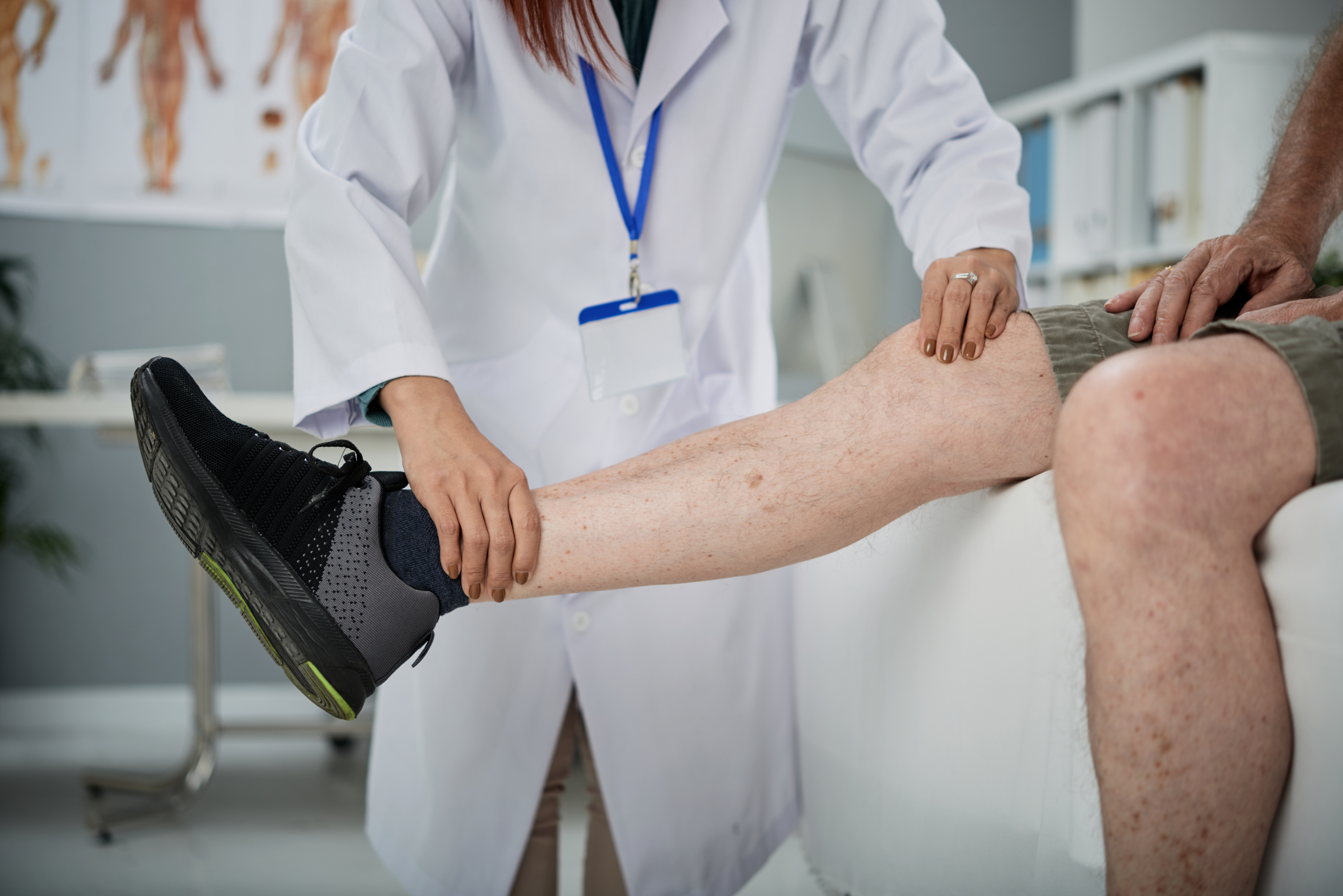
At Vascura Pain & Vein Clinic, every patient presenting with varicose veins, regardless of stage, receives a comprehensive duplex ultrasound examination performed personally by Dr Babus. This imaging study identifies which valves are failing, maps the reflux pathway, quantifies disease severity, and stages the condition using the CEAP framework.
Treatment is then matched precisely to the findings. Options include:
- Radiofrequency ablation (RFA) thermal closure of the diseased saphenous vein using catheter-based heat energy, performed in-office with no general anesthesia required
- Varithena foam therapy is an FDA-approved injectable foam treatment for varicose tributaries and refluxing veins
- Foam sclerotherapy, chemical closure of surface varicosities under ultrasound guidance
- Compression therapy is used as part of conservative management and post-procedure recovery protocols
All procedures are performed in-office, without general anesthesia, and with minimal recovery time. Dr Babus personally conducts every consultation, ultrasound, and procedure, with no rotating staff, no physician assistants performing your care.
If you are unsure whether your insurance covers vein treatment, visit the insurance information page. The Vascura team handles verification and prior authorisation as part of the initial consultation process.
Frequently Asked Questions: Varicose Vein Complications
How quickly can varicose veins lead to serious complications?
Progression varies significantly by individual. Some patients remain in the early stages for years; others develop skin changes within 12 to 24 months of first noticing varicosities, particularly if risk factors such as obesity, prolonged standing, or a history of clotting are present. There is no safe minimum waiting period.
Can complications reverse after treatment?
Early-stage complications, such as swelling, skin discolouration, and early lipodermatosclerosis, often improve significantly after successful venous treatment. Advanced changes, such as established venous ulcers, require wound care in addition to vascular intervention. The earlier the treatment occurs, the greater the degree of reversibility.
Is spontaneous bleeding from varicose veins common?
It is more common than most patients expect, particularly in veins that are large, superficial, and long-standing. It tends to occur without significant warning. Any history of varicose vein bleeding should be treated as an indication for prompt definitive treatment.
Do all varicose veins eventually cause DVT?
No, DVT is not an inevitable outcome of varicose veins. However, venous insufficiency is a recognised DVT risk factor, and the risk is meaningfully elevated in patients with advanced disease combined with additional risk factors such as immobility, clotting disorders, or obesity.
What is the difference between superficial thrombophlebitis and DVT?
Superficial thrombophlebitis involves clot formation within a surface varicose vein and is typically localised, painful, and visible. DVT involves clotting in the deeper venous system, is less visually apparent, and carries a significantly higher risk of pulmonary embolism. Both require medical evaluation; DVT requires urgent treatment. Learn more about deep vein thrombosis and superficial thrombophlebitis on the Vascura conditions pages.


