
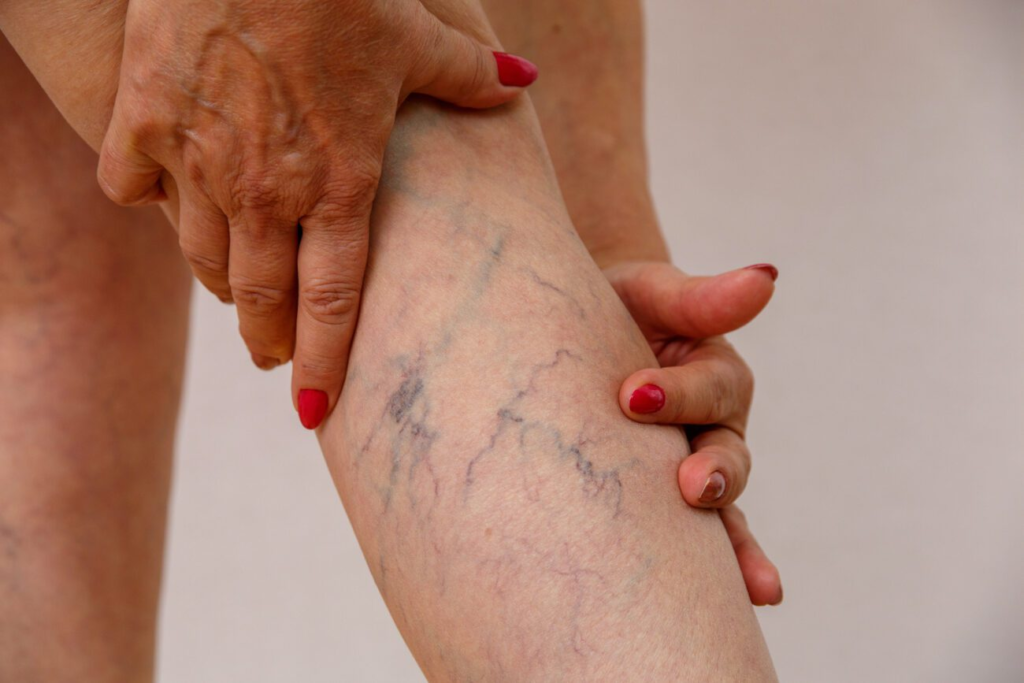
Varicose veins are not just a cosmetic concern; they are often a sign of underlying vein disease. The good news? In many cases, varicose veins can be prevented or delayed with the right lifestyle habits. According to vein specialist Dr. Glenn Babus, small daily actions can significantly reduce your risk and even stop early-stage vein issues from progressing. Whether you have a family history or spend long hours sitting or standing, understanding prevention is the first step toward healthier veins.
Understanding Your Risk Factors
It is essential to know the causes of varicose veins before attempting any prevention strategies. They occur when the valve system in the leg veins is impaired, leading to blood congestion and dilation of the vein walls. The following are some risk factors:
- Family history: If one or both parents have suffered varicose veins in their lifetime, you might be more susceptible.
- Gender: Women suffer from varicose veins since hormonal changes due to pregnancy, menstruation, and menopause contribute to it.
- Age: As age advances, the valves weaken. Varicose veins often occur among people above the age of 50.
- Pregnancy: Increased blood volume and uterine pressure put stress on the veins.
- Professions with extended periods of standing or sitting: nurses, educators, hairdressers, administrative professionals, and truck drivers have higher chances of suffering from varicose veins.
- Obesity: Being overweight leads to high abdominal pressure, and hence, blood does not flow efficiently from the legs.
- Previous leg injuries or blood clots: They could damage vein valves and interfere with blood flow.
With an idea of the risk associated with you, both you and Dr. Babus will have the capacity to come up with a prevention strategy that will suit you. Despite several relevant factors, the strategies below will remain useful.
The calf muscles act as a natural pump of the venous system. As you walk around, your calf muscles squeeze and squeeze blood upwards through the veins in your legs toward your heart. But when you sit or stand at one point for some time, this squeezing ceases, causing the buildup of blood in the legs.
1. Keep Moving: The Power of Regular Exercise
Your calf muscles serve as a natural pump that drives your venous circulation. Each time you take a step, your calf muscles contract and squeeze your leg veins, pumping blood back to your heart. If you remain seated or standing idle for extended periods, your muscles stop working, causing blood to pool in your lower extremities and increasing vein pressure. Physical exercise is perhaps the single most potent factor to preserve your veins’ health.
Good exercises to strengthen veins:
- Walking: Thirty minutes of walking each day makes a major difference to your venous circulation
- Cycling: Both outdoor cycling and using a stationary bicycle offer good use of calf muscles without stressing your joints.
- Swimming: The effect of being underwater naturally compresses your veins, while swimming activates the calf pump
- Yoga and stretching exercises: Stretches such as elevating the Legs Against a Wall may assist in draining pooled blood
- Calf raises: A simple exercise you can perform anytime; raise your body onto your toes, then down again, thus activating the calf pump.
High-intensity exercises such as jogging are also good, but if you have existing vein problems, consult Dr. Babus before engaging in high-intensity exercise.
Movement Tip: If your job requires long periods of sitting or standing, set a timer to move for 2–3 minutes every 30 to 45 minutes. Simple ankle circles, calf raises, or a short walk to the water cooler can meaningfully reduce vein pressure throughout the day.
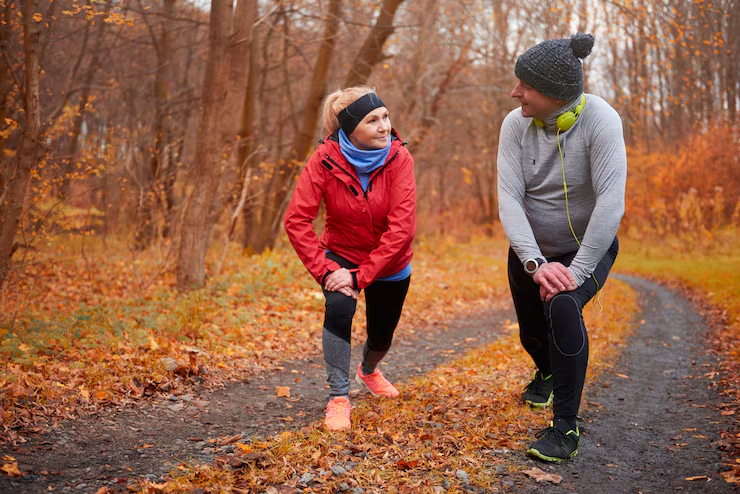
2. Maintain a Healthy Weight
Having too much weight will exert constant pressure on the pelvic and abdominal veins, which will make it difficult for blood circulation in the legs. The increased pressure will be transmitted back to the veins in the legs, affecting the valves and accelerating their wear and tear. Research shows that individuals with obesity have a higher chance of developing chronic venous insufficiency and varicose veins than healthy individuals.
Maintaining an ideal weight by eating well and exercising is among the best things you can do not only for the benefit of your veins but for your general heart health as well. A weight reduction of about 5-10% will help decrease the pressure on your legs’ veins.
3. Wear Graduated Compression Stockings
These specialized socks are much more than just a remedy for varicose veins. In fact, they have been clinically proven to effectively prevent them. How? With increased pressure in their legs from top to bottom, these stockings actually force the blood to move upwards, making sure that no pooling occurs. And when are they most useful? The following:
- During pregnancy, specifically the second and third trimesters
- For a flight or a drive where you will be sitting for a very long time
- If your occupation requires you to stand or sit all day
- When you have had surgery on your leg
Dr. Babus recommends 15-20 mmHg if used for basic prevention and 20-30 mmHg if you have a higher risk or if the early stages of varicose veins have already set in. Today’s compression stockings come in a wide array of styles, colors, and even lengths. The days of those thick, beige socks are long gone.
Raising your legs to a level higher than your heart works against the force of gravity and helps move any accumulated blood from the lower legs back to the heart. This is an extremely effective and cost-free method of relieving vein pressure and swelling throughout the day.
The ideal duration for raising your legs is 15 to 30 minutes at least two to three times daily. Some methods you can use to achieve this include:
- Lying down on the floor and raising your legs using two to three pillows
- Relaxing on a reclining chair with the legs of the chair higher than your heart
- Sitting flat on the floor with your legs raised against the wall
- Sleeping in a position where your feet are resting on an inclined pillow.
It is especially beneficial when you have spent all day standing, after traveling, and during pregnancy.
Concerned About Your Vein Health?
Don’t wait for symptoms to worsen. Get a personalized vein assessment and expert guidance today.
Book Your Consultation4. Avoid Prolonged Sitting and Standing
Prolonged sitting and standing have been identified as modifiable risk factors that contribute significantly to varicose veins. When standing, venous pooling occurs due to the need to defy gravitational force; meanwhile, when sitting, there is no activity in the calf muscle pump, and compression of the veins in the groin area is common.
Ways to minimize risk factors during work and home life:
- Sit-and-stand desks should be used to move between sitting and standing positions every hour
- While standing, the body’s weight can be moved from one leg to another, as can rocking on heel-to-toe movements
- While sitting, avoid crossing your legs, which will increase the compression on the veins at the back of the knee
- After each meeting and after long periods of working, try walking or calf-raising exercises
5. Eat a Vein-Healthy Diet
The food you eat plays a role in maintaining vein health from the inside out. The following are some dietary factors you can consider to maintain your vein health by reducing inflammation, strengthening vein walls, and ensuring no constipation (which leads to increased abdominal pressure).
- High fiber diet: Vegetables, fruits, grains, and legumes will keep you regular and avoid straining, which causes increased abdominal pressure on your leg veins.
- Foods rich in flavonoids: Foods like blueberries, cherries, grapes, citrus fruits, and dark chocolate have flavonoids, which are good at strengthening the walls of your veins
- Anti-inflammatory omega-3 fatty acid: Foods like fish, nuts, flaxseeds, and chia seeds have omega-3 fatty acids that prevent inflammation throughout the body.
- Hydration: Drinking plenty of fluids makes your blood less thick and easier for blood flow through small veins.
- Low salt diet: This prevents fluid accumulation and swelling of the legs.
Did You Know? Rutin, a natural bioflavonoid found in buckwheat, apples, and citrus peel, has been studied for its ability to reduce vein fragility and inflammation. Ask Dr. Babus if a dietary supplement containing diosmin, hesperidin, or horse chestnut extract might be appropriate for your situation.

6. Be Mindful During Pregnancy
Pregnancy may very well be the biggest trigger for varicose veins in women. Not only does the expansion of the uterus squeeze the inferior vena cava (the big vein carrying blood from your legs back to your heart), but the hormones that surge through your body cause relaxation of the veins and an almost 50% increase in blood volume. It’s no wonder that so many women have their first experience with varicose veins while pregnant.
What you can do while pregnant to reduce your risks:
- Wearing compression socks as soon as possible in your first trimester
- Sleeping on your left side to relieve pressure on your inferior vena cava
- Exercising with doctor-approved activities such as walking, prenatal yoga, and swimming
- Keeping your legs elevated as much as possible, especially later on in your pregnancy
- Getting a venous health consultation with Dr. Babus when your baby is born—most pregnancy veins will resolve themselves within 3-6 months, but those that don’t can be easily addressed.
7. Avoid Tight Clothing Around the Waist and Groin
The waistbands of jeans, girdles, high-cut body shapers, and tight-fitting belts can hinder the return of blood from the lower limbs back to the heart, causing the veins of the legs to carry more blood than normal. Choose garments that do not cause compression around your crotch or abdomen.
8. Monitor and Manage Early Symptoms
The first thing you should never overlook is the early signs of vein problems. Most people brush off the symptoms like heavy legs, swollen ankles, or the presence of spider veins as normal signs of getting old. However, those are early signs of venous insufficiency that can be taken care of early on with the proper treatment.
Consider a vein assessment by Dr. Babus when you notice:
- Consistent pain or heaviness in your legs, especially at night
- Swelling in your feet or ankles upon walking, or that does not improve with elevation
- Presence of spider veins and other early signs of varicose veins, especially if there is a history of venous disease in your family
- Discoloration and/or skin irritation in your ankles or feet
Early detection allows you the most freedom to take action, and sometimes the easiest treatments work best!
What Vein Prevention Looks Like in Practice
When prevention becomes part of your daily lifestyle rather than an addition, it becomes much more effective. A good preventive day for a person would consist of the following: starting the day by going on a 20-minute walk; wearing compression stockings at work; taking frequent breaks and moving around after every 45 minutes; elevating legs after 20 minutes in the evening, and having a fiber-packed meal for dinner filled with fruits and colorful vegetables. Such steps might seem small at first, but eventually lead to huge results.
Partner with Vascura Pain & Vein Clinic
Preventing venous problems starts with the right support. Whether you have a family history of vein conditions, are pregnant, spend long hours on your feet, or simply want to protect your vein health, Vascura Pain & Vein Clinic is here to help. Dr. Glenn Babus and his experienced team provide personalized guidance, education, and preventive care to keep your legs healthy now and in the future.
Take Control of Your Vein Health Today
Preventing varicose veins starts with awareness and consistent habits, but expert guidance can make all the difference. At Vascura Pain & Vein Clinic, Dr. Glenn Babus and his team provide personalized vein assessments and prevention plans tailored to your lifestyle and risk factors.
Don’t wait for symptoms to worsen. Schedule your consultation today and take the first step toward healthier, pain-free legs.
Frequently Asked Questions (FAQs)
1. Can varicose veins be prevented?
Yes, while not always completely preventable, healthy habits like exercise, weight control, and compression stockings can significantly reduce the risk.
2. Do compression stockings help prevent varicose veins?
Yes, they improve blood circulation and reduce pressure in the veins, helping prevent or slow their development.
3. When should I see a vein specialist?
Consult a specialist like Dr. Glenn Babus if you notice pain, swelling, visible veins, or heaviness in your legs.
4. Are varicose veins dangerous?
They are usually not serious but can worsen over time and lead to complications if left untreated.
5. What is the main cause of varicose veins?
Varicose veins are mainly caused by weak or damaged vein valves. These valves help blood flow upward, but when they don’t work properly, blood can pool in the veins, causing them to enlarge and become visible.
6. What is the best way to stop varicose veins?
You can help prevent or slow them by:
- Staying active (walking, exercise)
- Avoiding long periods of sitting or standing
- Keeping a healthy weight
- Elevating your legs
- Wearing compression stockings
7. How harmful are varicose veins?
They are usually not dangerous, but they can cause discomfort like pain, swelling, or heaviness. In some cases, they may lead to complications such as skin changes or ulcers if left untreated.
8. Do varicose veins go away?
Varicose veins do not go away on their own. However, treatments like laser therapy or minimally invasive procedures can reduce or remove them effectively.


