
Many people assume sciatica is simply lower back pain, but it is actually a nerve-related condition that can originate from several spinal or muscular issues. The intensity may range from a mild ache to severe, disabling pain that interferes with work, driving, exercise, and even sleep. Because symptoms often come and go, patients frequently delay treatment — which can allow inflammation and nerve pressure to worsen over time. Seeking timely evaluation from a qualified sciatica specialist in Bergen County, New Jersey helps identify the precise trigger early and increases the chances of achieving lasting relief through non-surgical sciatica treatment.

Effective, Minimally Invasive Relief for Sciatic Nerve Pain
Sciatica pain can make sitting, standing, or even walking uncomfortable, often sending sharp or burning sensations from the lower back down the leg. At Vascura Pain and Vein Clinic in Bergen County, New Jersey, care begins with identifying the exact source of nerve irritation rather than simply masking symptoms. Each patient receives a personalized treatment plan focused on long-term relief through accurate diagnosis and minimally invasive solutions designed to restore function and mobility.
Whether symptoms developed from a herniated disc, spinal narrowing, or injury, our approach to pain management in New Jersey targets the root cause of sciatic nerve pain so recovery is both effective and sustainable.
Schedule your consultation today and take the first step toward a pain-free and better quality of life.
Understanding Sciatica
Sciatica occurs when the sciatic nerve pain — the longest nerve in the body — becomes compressed or inflamed. This nerve runs from the lower spine through the hips and down each leg, which is why symptoms often radiate beyond the back. Without proper care, nerve irritation can worsen and begin to limit mobility, posture, and daily comfort. Early evaluation helps prevent chronic nerve damage and speeds recovery.
Common Causes of Sciatica
Sciatica usually develops when the sciatic nerve becomes compressed, irritated, or inflamed somewhere along the lower spine or hip region. Identifying the exact cause is essential for choosing the right non-surgical sciatica treatment and achieving long-term relief rather than temporary symptom control.

Muscle Strain & Poor Posture
Prolonged sitting, heavy lifting, or poor posture can tighten the lower back and hip muscles, placing pressure on the sciatic nerve. This often leads to stiffness, dull aching pain, and reduced flexibility that gradually worsens without corrective care.

Herniated or Bulging Lumbar Discs
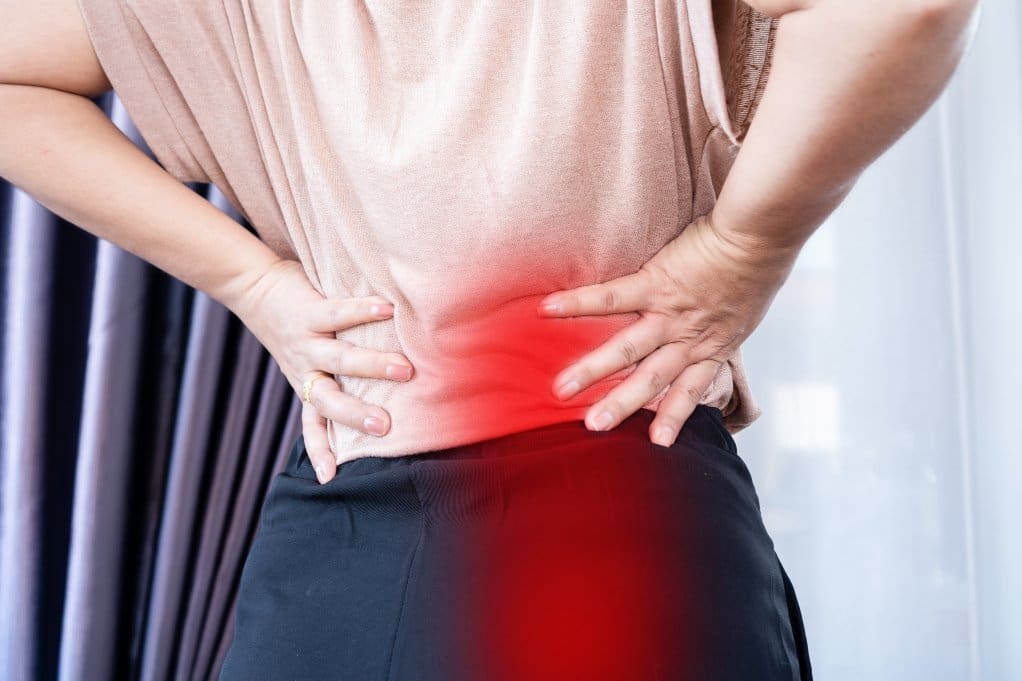
When spinal discs in the lower back shift or rupture, they may press directly on nearby nerve roots. This is one of the most common causes of sciatica leg pain, producing sharp, shooting sensations that travel from the lower back down the leg.
Degenerative Disc Disease & Joint Inflammation
Natural aging, arthritis, or spinal wear can narrow the spaces around nerves, creating chronic irritation. Patients often experience persistent lower back discomfort combined with intermittent numbness or tingling in the legs.

Injury & Accident-Related Trauma
Car accidents, sports injuries, or sudden twisting movements can damage spinal tissues and inflame surrounding nerves. Without early evaluation, these injuries may evolve into long-term nerve pain or recurring sciatica flare-ups.
Symptoms of Sciatica You Shouldn’t Ignore
Sciatica symptoms can range from mild discomfort to severe nerve pain that interferes with daily life. Recognizing these signs early and seeking professional sciatica treatment in New Jersey can help prevent long-term nerve damage and chronic pain.
- Sharp or shooting pain that travels from the lower back down one leg
- Burning or electric-shock sensations in the hip, thigh, or calf
- Numbness or tingling in the foot or toes
- Muscle weakness in the leg or difficulty lifting the foot
- Pain that worsens while sitting for long periods
- Lower back stiffness combined with leg discomfort
- Difficulty standing, walking, or bending without pain
If these symptoms persist for more than a few weeks or begin to intensify, consulting a sciatica specialist in Bergen County can lead to faster diagnosis and effective non-surgical relief options.