
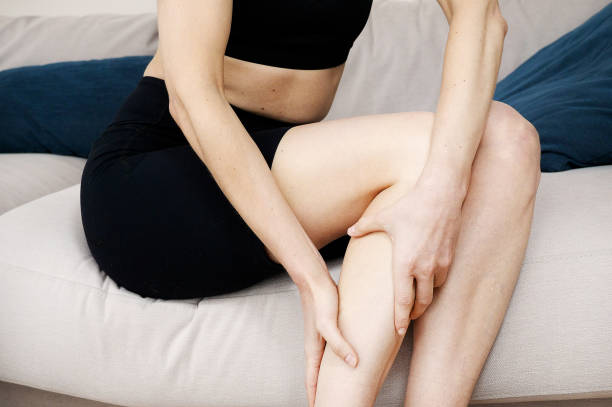
Effective, Minimally Invasive Relief for Throbbing Legs
Here’s the thing about throbbing leg pain: most people wait too long to get it checked out. They assume it’s just fatigue, or aging, or standing too long at work. Sometimes that’s true. But when the throbbing is happening regularly several times a week, getting worse rather than better there’s almost always a circulatory reason behind it.
Venous reflux is one of the most common causes we find. When the valves inside your veins stop working the way they should, blood starts pooling instead of moving upward toward the heart. That pooling creates pressure. That pressure creates the throbbing, heaviness, and swelling that makes evenings miserable for so many patients across New Jersey.
- At Vascura, we don’t just treat the symptom. We find out what’s driving it. That means:
- A thorough evaluation to see whether vein dysfunction is actually the cause
- Duplex ultrasound imaging to map blood flow in detail before any treatment decision
- Minimally invasive procedures that close the problem veins so blood reroutes through healthier ones
Compression therapy and lifestyle support to keep symptoms from coming back
Patients who’ve spent months Googling varicose veins near me or wondering whether their aching legs are something serious this is the evaluation they needed to get sooner.
Understanding Throbbing Legs
The throbbing sensation in the legs has a fairly specific feel; most patients describe it the same way: it pulses. It doesn’t just ache; it beats, almost like a second heartbeat sitting right inside the calf or thigh.
When does it show up?
- After you’ve been on your feet all day
- Sometimes when you finally sit down and stop moving
Why it happens
That rhythm isn’t random. It reflects what’s happening inside the veins. When vein valves weaken, which can happen from genetics, prolonged standing, pregnancy, age, or just bad luck, blood stops moving efficiently upward. It pools. Pressure builds inside the vein walls. The surrounding muscle and tissue feel that pressure, and the result is the pulsing discomfort that often brings patients in for throbbing legs treatment in Clifton, NJ.
Patterns our specialists watch for:
- Gets worse in the heat, since heat causes veins to widen and pool even more blood
- Eases up when you put your feet up, as gravity helps drain pooled blood back toward the heart
Both of these patterns are key clues our pulsing leg pain doctor in Clifton, NJ, looks for during evaluation; they point directly toward a venous cause.
Common Causes of Throbbing Legs
Throbbing leg pain isn’t always from one single cause, and that’s part of why it can be frustrating to manage on your own. Legs throbbing at night, Doctor Kearny, NJ Take time to trace your symptoms back to their actual source because the right treatment depends entirely on getting that part right.

Venous Reflux Disease
When vein valves fail, blood flows backward and pools in the legs. This increased pressure often causes a throbbing or pulsing sensation.
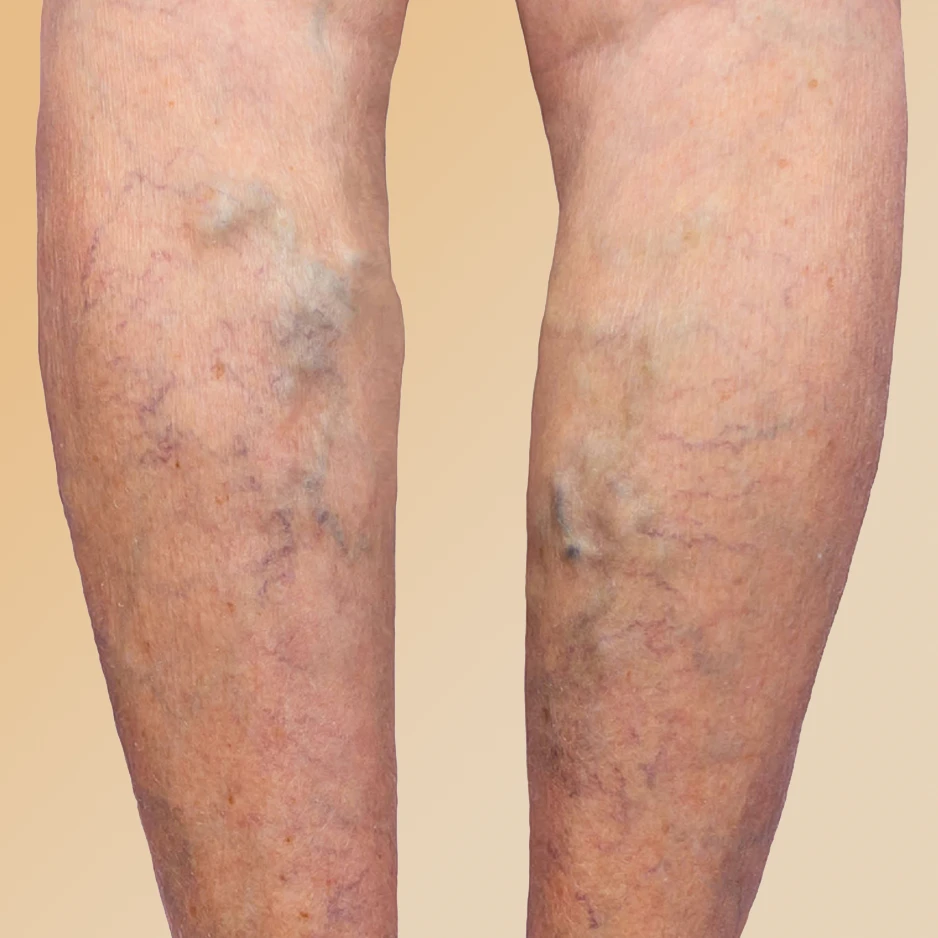
Varicose Veins
Enlarged, twisted veins can create pressure and inflammation, leading to aching and rhythmic discomfort.

Pregnancy
Hormonal changes and increased blood volume during pregnancy can place added strain on leg veins.
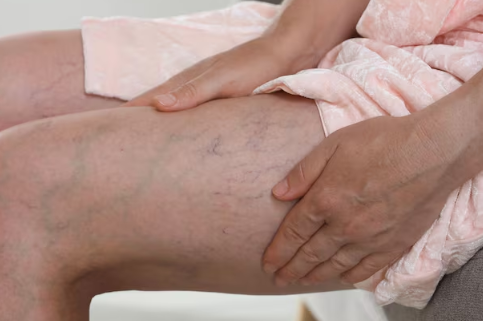
Long-term vein dysfunction can result in persistent swelling, heaviness, and throbbing pain.
Common Symptoms of Throbbing Legs
Throbbing doesn’t always come alone. Most patients who come in for evaluation describe a combination of symptoms that have been building over time and recognizing those patterns is part of what leads us to the right diagnosis quickly.
- Rhythmic, Pulsing Pain
- Leg Heaviness or Fatigue
- Swelling in the Ankles or Lower Legs
- Visible Varicose or Reticular Veins
- Burning or Aching Sensations
- Symptoms That Worsen with Prolonged Activity
If you’re noticing more than one of these, the pattern matters. Taken together, they’re a strong indicator of underlying vein disease, and that’s exactly what we look for during your evaluation at Vascura.