If you are experiencing these symptoms, early evaluation can help restore healthy blood flow and prevent progression to more serious vein complications.
Effective, Minimally Invasive Relief for Venous Reflux Disease
At Vascura Pain and Vein Clinic, we provide advanced, minimally invasive care designed to treat venous reflux disease at its source. Our experienced vein specialists focus on correcting the underlying valve dysfunction, not just managing surface symptoms, so you can experience improved circulation, reduced leg swelling, and lasting relief from chronic venous insufficiency.
Venous reflux disease occurs when vein valves fail to close properly, allowing blood to flow backward and pool in the legs. Many patients who initially search for varicose veins near me or chronic leg swelling treatment later discover that venous reflux disease is the root cause. Our New Jersey vein clinic, located in Clifton and Kearny, offers personalized treatment plans using modern, non-surgical techniques. Depending on your condition.
Care may include the following:
- Image-guided minimally invasive vein procedures to correct valve dysfunction at the source
- Targeted vein closure treatments that reroute blood to healthier veins with minimal downtime
- Compression therapy using medical-grade compression socks to reduce swelling and support circulation
- Long-term circulation support with personalized lifestyle and follow-up care
If you are looking for trusted vein doctors near you or advanced venous reflux treatment in New Jersey, our clinic is committed to helping you achieve healthier legs and long-lasting results.
Understanding Venous Reflux Disease
Venous reflux disease, also known as chronic venous insufficiency or CVI, develops when the one-way valves inside your leg veins stop functioning properly. Instead of moving blood upward toward the heart, blood flows backward and collects in the lower legs, causing veins to stretch, weaken, and produce uncomfortable symptoms. Common signs of venous valve dysfunction include:
- Leg swelling and heaviness that worsens with prolonged standing or sitting
- Aching or fatigue in the lower legs, particularly toward the end of the day
- Skin changes near the ankles including discoloration, thickening, or tightness
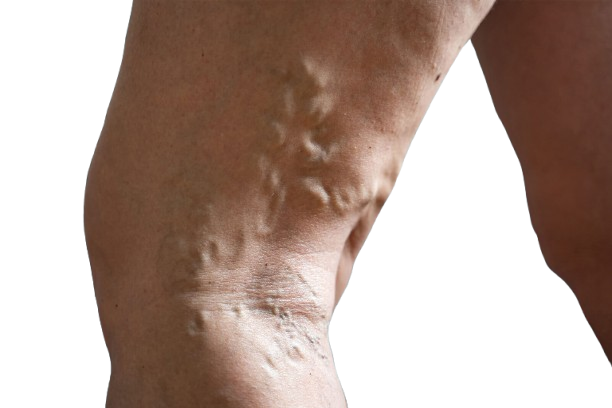
- Visible varicose veins as a direct result of increased venous pressure
If left untreated, venous reflux disease can progress and increase the risk of venous ulcers and serious complications. Early diagnosis at our Clifton or Kearny, NJ, vein clinic allows for minimally invasive reflux treatment that improves circulation and prevents further vein damage.
At Vascura Pain and Vein Clinic, we focus on identifying the exact veins responsible for reflux so treatment targets the source not just the visible surface veins.
Common Causes of Venous Reflux Disease
Venous reflux disease develops when the valves inside the leg veins weaken or become damaged, allowing blood to flow backward and pool in the lower extremities. At Vascura Pain and Vein Clinic, our experienced vein doctors evaluate the underlying cause to provide targeted, long-lasting venous reflux treatment and prevent recurrence.

Underlying Varicose Veins
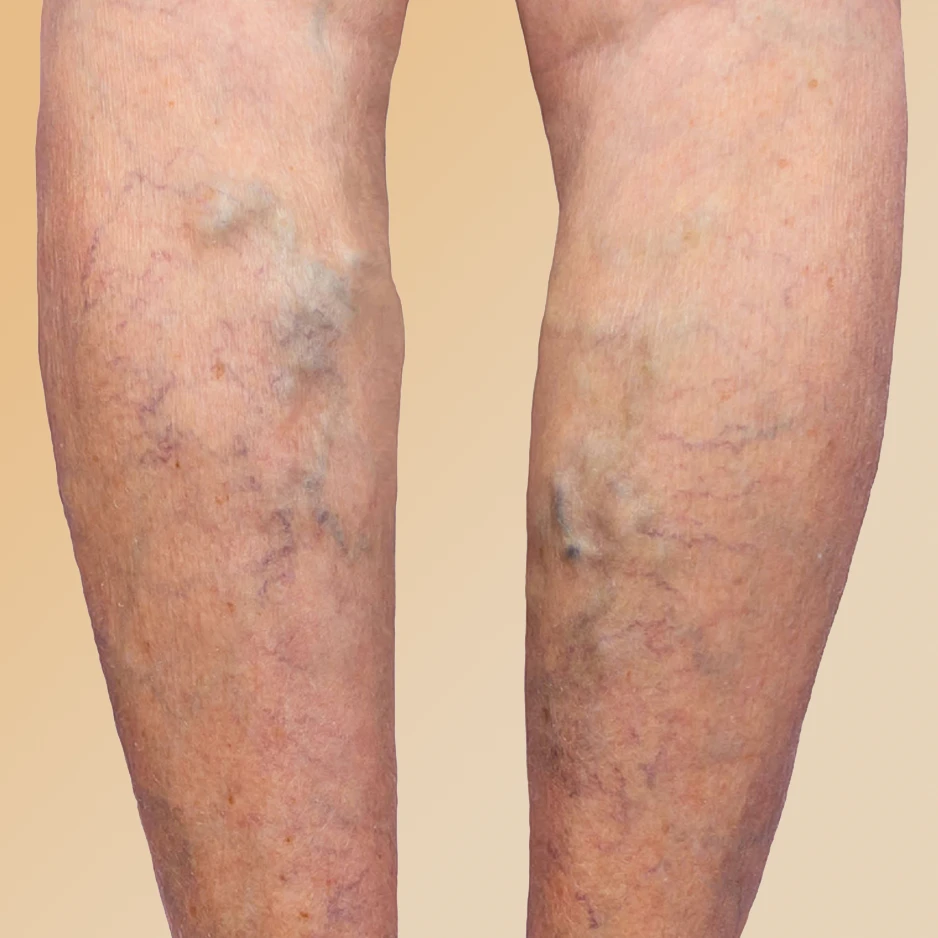
Damaged varicose veins are often a visible sign of venous reflux disease and chronic venous insufficiency. Many patients who initially search for varicose veins near me discover that valve failure deeper in the veins is the true source of their leg symptoms.
Genetics and Family History
A family history of vein disease or venous valve dysfunction increases the likelihood of developing venous reflux disease due to inherited vein wall and valve weakness.

Prolonged Standing or Sitting
Occupations that require long periods of standing or sitting reduce healthy leg circulation and increase sustained pressure in the leg veins, accelerating venous reflux progression.

Obesity and Increased Leg Pressure
Excess body weight places additional strain on leg veins, accelerating valve damage, venous insufficiency, and circulation problems throughout the lower extremities.
Common Symptoms of Venous Reflux Disease
Venous reflux disease can begin with mild discomfort and gradually progress if left untreated. At Vascura Pain and Vein Clinic, our experienced vein specialists help patients recognize early warning signs of venous valve dysfunction and seek treatment before complications develop.
- Leg heaviness or chronic fatigue in the lower legs
- Swelling in the lower legs or ankles, especially after prolonged standing
- Aching or throbbing leg pain that worsens throughout the day
- Visible varicose veins or bulging surface veins
- Skin discoloration or thickening near the ankles
- Leg cramping or restlessness, particularly at night
- Slow-healing sores or venous leg ulcers in advanced cases