
If you experience chest pain, sudden shortness of breath, coughing blood, rapid heartbeat, or dizziness, seek emergency medical care immediately. These symptoms may indicate a pulmonary embolism, a serious complication that requires urgent treatment.
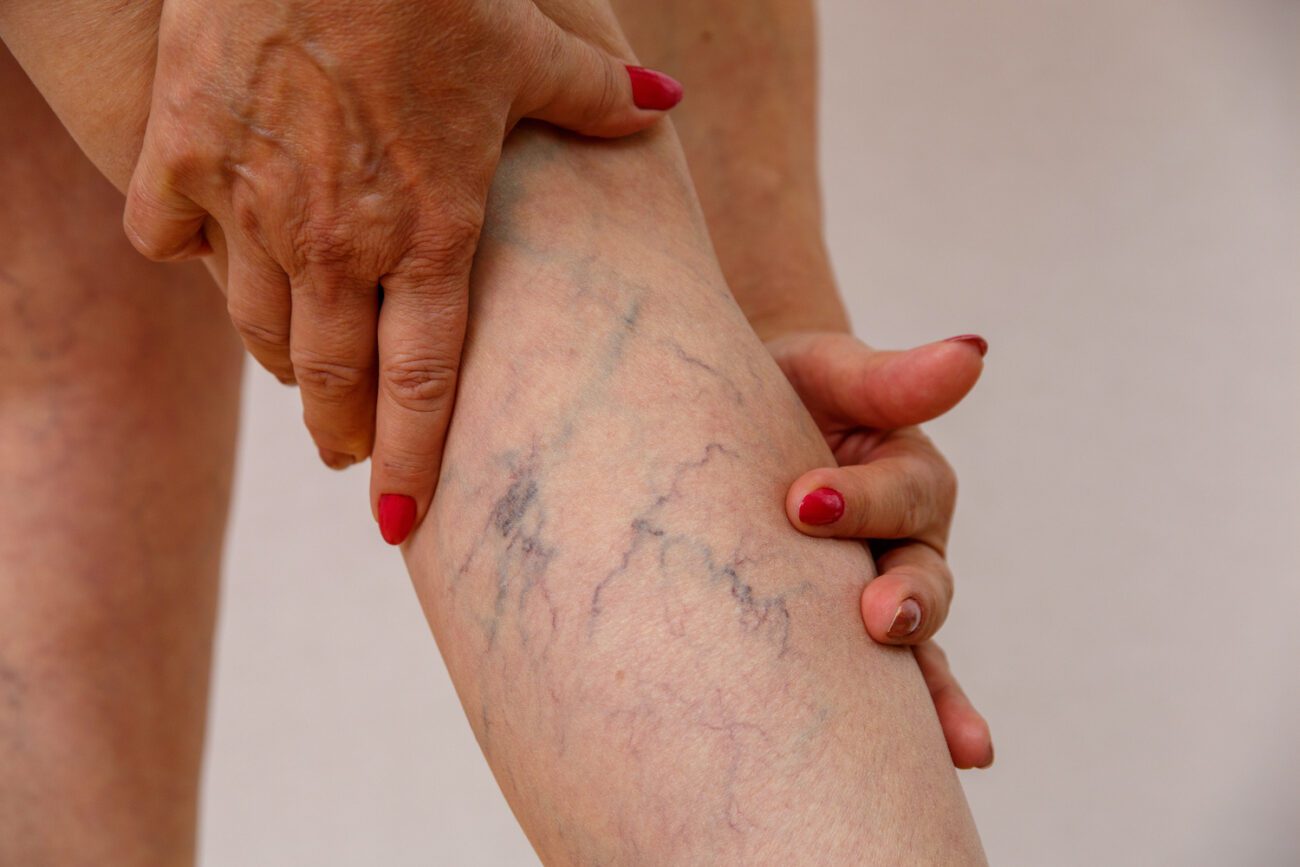
Effective, Advanced Care for Deep Vein Thrombosis
At Vascura Pain and Vein Clinic, with convenient locations in Clifton and Kearny, NJ, we provide prompt, evidence-based care designed to help patients diagnosed with Deep Vein Thrombosis (DVT) receive safe and effective treatment. Our experienced vein specialists focus on identifying and treating the underlying clotting issue, not just relieving symptoms, so you can protect your circulation and reduce the risk of serious complications.
Deep vein thrombosis occurs when a blood clot forms in a deep vein, most commonly in the legs. This clot can partially or completely block blood flow, leading to a range of uncomfortable and potentially dangerous symptoms, including:
- Swelling and heaviness in one or both legs that worsens throughout the day
- Leg pain or tenderness that may feel like cramping or a deep aching sensation
- Warmth and redness over the affected area, often a sign of active clot-related inflammation
- Skin discoloration ranging from light redness to a bluish or purplish tone in severe cases
Understanding Deep Vein Thrombosis
Deep Vein Thrombosis (DVT) is a serious blood vessel disorder that occurs when a blood clot (thrombus) forms within a deep vein, typically in the lower calf, thigh or pelvis. DVT is different from a condition affecting a surface vein: it occurs in deep veins that are critical for blood flow back to the heart. A blood clot can block blood flow and lead to swelling, pain, and warmth in a leg.
Occasionally, a portion of the clot can dislodge and migrate to the lungs, causing a pulmonary embolism – a life-threatening condition. Our vein specialists at Vascura Pain and Vein Clinic educate patients on the cause of DVT and the need for early detection and treatment.
Patients often come to our Clifton or Kearny NJ offices with sudden swelling or pain in their leg, but diagnosis can also occur when evaluating for other risk factors, such as recent surgery or bed rest. Early diagnosis and appropriate DVT treatment near me can ensure most patients are managed safely and closely monitored to avoid complications and recurrence.
Common Causes of Deep Vein Thrombosis
Deep vein thrombosis develops when blood flow slows down or clotting factors increase. Our specialists carefully evaluate the underlying cause to reduce future risk.

Prolonged Immobility
Long flights, extended bed rest, hospitalization, or a sedentary lifestyle can slow circulation in the legs. When blood does not move regularly, it is more likely to clot, increasing the risk of deep vein thrombosis.
Recent Surgery or Injury
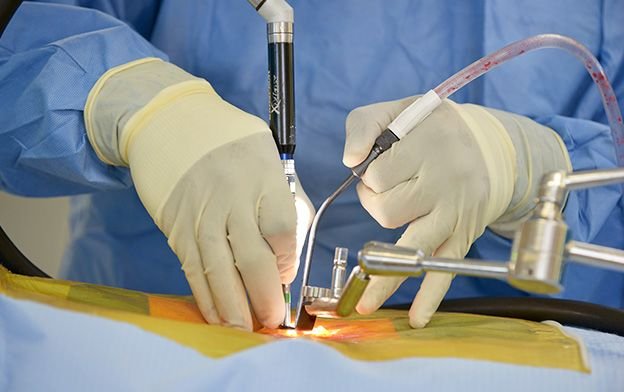
Major surgery, especially orthopedic or abdominal procedures, can temporarily increase clotting activity. Injuries or trauma to the legs may also damage blood vessels and contribute to clot formation.

Pregnancy and Hormonal Changes
Pregnancy increases blood volume and pressure in the pelvic and leg veins. Hormonal changes including birth control pills or hormone replacement therapy.

Smoking and Obesity
Smoking damages blood vessel walls and affects circulation, while excess weight increases pressure in leg veins. Both factors significantly raise the likelihood of developing DVT.
Common Symptoms of Deep Vein Thrombosis
DVT symptoms can appear suddenly and usually affect only one leg. Some people may have mild signs, while others notice more obvious discomfort. At Vascura Pain and Vein Clinic, early evaluation and diagnosis are essential to prevent serious complications such as clot migration or long-term vein damage.
- Swelling in one leg
- Leg pain or tenderness
- Warmth in the affected area
- Red or Discolored Skin
- Unexplained Cramping
- Visible Surface Veins
- Skin Tightness or Shiny Skin